Portable toilets offer numerous eco-friendly benefits that contribute to environmental sustainability. Foremost, they require less water than traditional toilets. A single flush in a typical restroom can use up to seven gallons of water, whereas a portable toilet system uses innovative holding tanks that significantly reduce water usage. This conservation of water plays a vital role, especially in areas facing water scarcity. Moreover, by directing waste to treatment plants or being processed on-site through septic services, portable toilets aid in preventing soil and groundwater contamination. Many modern portable toilets are equipped with biodegradable chemicals that neutralize odors and break down waste responsibly, minimizing the need for synthetic chemicals that can harm ecosystems. Additionally, portable toilets help reduce the carbon footprint of events and construction projects by eliminating the need for pipeline plumbing and permanent infrastructure, which requires substantial resources and energy to install and maintain. The temporary nature of portable toilets reduces the long-term impact on construction environments and preserves virgin land from unnecessary developments. This mobility is paired with the use of sustainable materials, as more manufacturers are now opting for recycled and recyclable plastics for the outer structures. Also, many eco-friendly portable toilet providers adopt green business practices, including efficient delivery routes that minimize fuel consumption and emissions. Hence, relying on such services supports broader environmental goals and underscores a commitment to sustainability. Collectively, these measures underscore the significant role that portable toilets play in mitigating environmental impacts while providing necessary sanitation solutions.

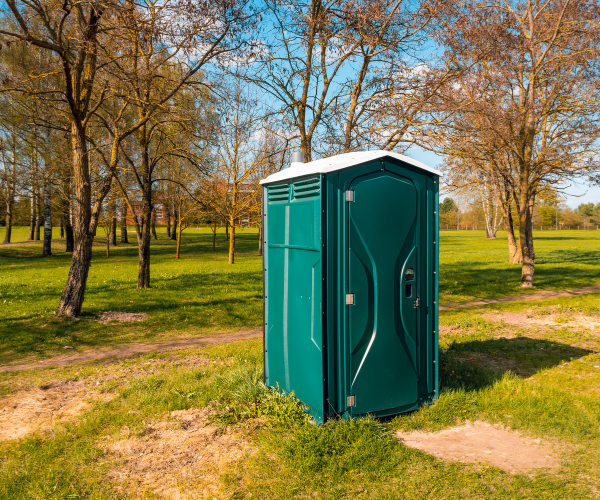
Portable Toilet Rentals in Pine Ridge, Georgia
Call today for a free quote (762) 716-4705
Portable Toilet
Fast, Easy, & 100% Free To Get Started
Over 10 Years of Experience
With over 10 years of experience, our company has deep roots in the Pine Ridge community. We are dedicated to quality service and customer satisfaction, reflecting a strong commitment to reliability and excellence across all our offerings.
Commitment to Quality Service
We take pride in providing exceptional service and unparalleled attention to detail in every portable toilet we rent. Our thorough cleaning and maintenance process ensures each unit meets the highest standards of cleanliness and sanitation.
Prompt and Reliable Delivery
We guarantee swift delivery times that meet your schedule needs, ensuring your events or projects never face undue delays. Our efficient logistics team coordinates meticulously to provide reliable service every time.
Portable Toilets in Pine Ridge, Georgia
Call for a Free Quote Today
(762) 716-4705
Our Portable Toilet company in Pine Ridge is the premier choice for all your sanitation needs. We pride ourselves on being dependable and reliable, with a commitment to serving the local community and surrounding areas. As a locally owned business, we offer personalized services for construction sites, parties, festivals, and weddings. Our professional team ensures prompt delivery and hassle-free installation, making us the trusted partner for any event. Whether you're planning an outdoor concert or a backyard gathering, we're here to provide clean, safe, and convenient restroom options. Experience the difference of working with a company that values quality, reliability, and local connections.
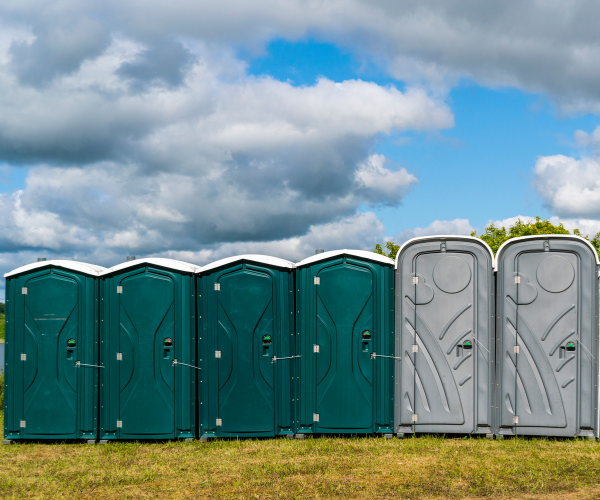
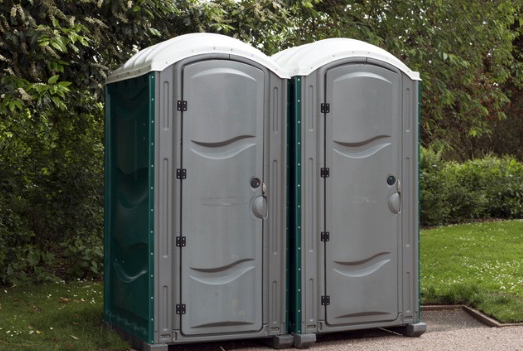
Our standard porta john rental units are durable and reliable for any commercial build site, housing development, public works project, or remodel job.Features include dome lighting, grated floors, and an “In-Use” locking mechanism for privacy and comfort. Regularly maintained, inspected, and cleaned by FusionSite at your location.
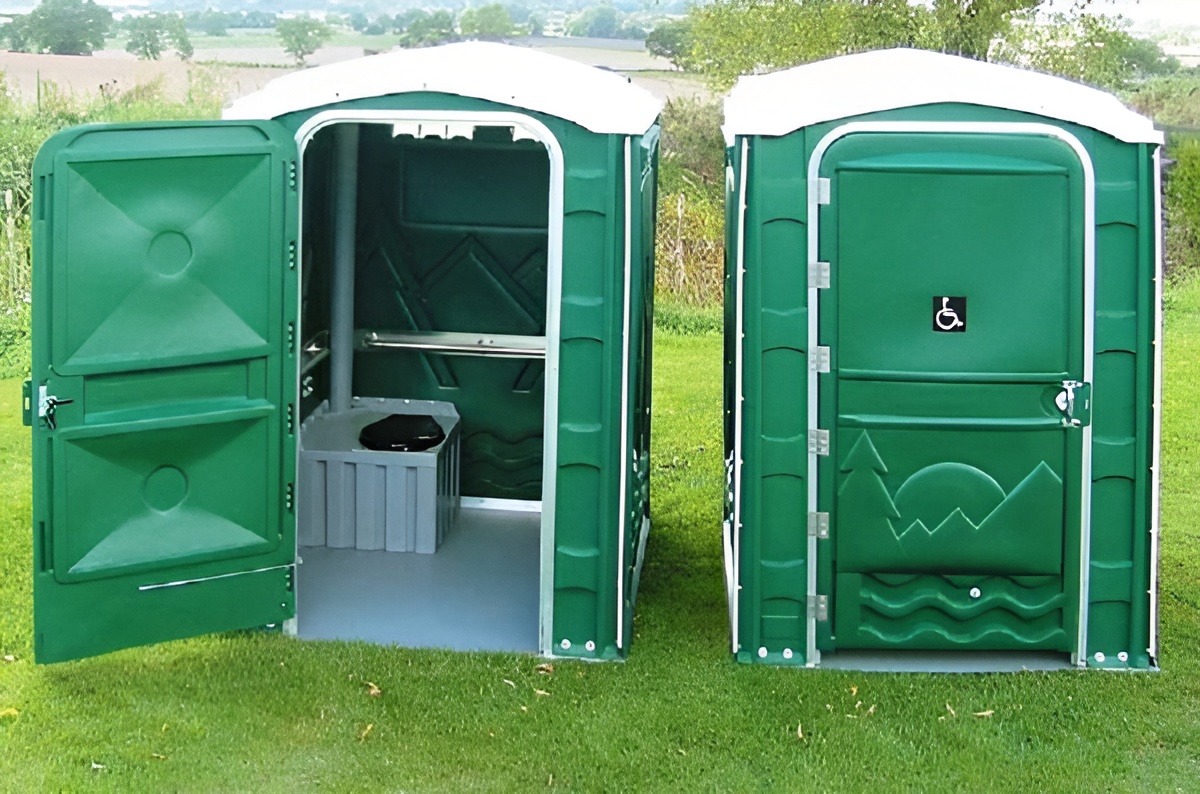
Developed as an alternative to full ADA-compliant restrooms, the Liberty is a spacious, wheelchair-accessible unit that can also be promoted as a family-sized restroom. Includes a patented flat-floor system for easy wheelchair access and maneuverability.Handrails, paper holder, and rotary latch are designed for simple, intuitive end-user operation.
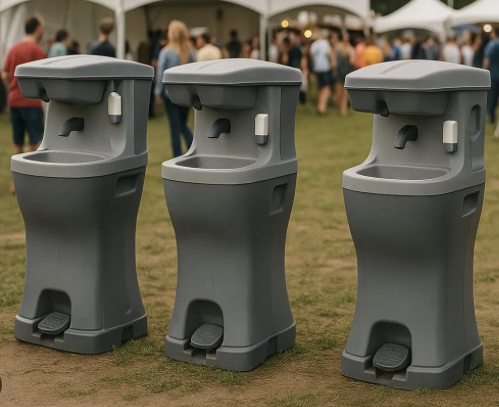
Portable hand washing stations are essential for keeping your work site sanitary and clean. Features hands-free foot pumps, liquid soap, and paper towels.Perfect for job sites without water hookups, these units can handle hundreds of washes between services.
We Proudly Serve
Standard Portable Toilets
Standard Portable Toilets service ensures affordable, high-quality sanitation solutions for events and sites across Georgia.
High Rise Portable Toilets
High Rise Portable Toilets offer convenient sanitation solutions for elevated construction and high-rise projects in Pine Ridge.
Restroom Trailers
Restroom Trailers in Pine Ridge provide luxury sanitary solutions for events through Portable Services.
Roll off Dumpsters
Roll off Dumpsters at Portable Services offer efficient waste management solutions in Pine Ridge, Georgia.
Septic Tank Cleaning
Septic Tank Cleaning by Portable Services in Georgia maintains system functionality with expert care.
Grease Trap Cleaning
Grease Trap Cleaning services in Pine Ridge, Georgia, ensure sanitary compliance for kitchen operations.
Fencing & Barricades
Fencing & Barricades from Portable Services in Georgia offer secure site and event perimeter solutions.
Residential Storage
Residential Storage services in Pine Ridge, Georgia, provide secure and accessible storage solutions.
Pine Ridge Portable Sanitation Solutions
Our streamlined process for obtaining a quote and arranging delivery for a portable toilet is designed with your convenience in mind. Simply fill out a brief form available at the top and bottom of this page, or tap any of the Get A Quote buttons scattered around our site. Our team stands ready to assist you with friendly, professional service to ensure your needs are met quickly and efficiently. Once you've submitted your request, we'll contact you right away with a personalized, competitive quote and discuss the best options for delivery and setup based on your specific requirements. Our logistics experts will ensure your portable toilets arrive on time, whether they are destined for a construction site, festival, or private event. We pride ourselves on creating seamless experiences for our clientele, prioritizing every aspect of your rental from start to finish. With clear communication and transparent pricing, you can count on us to deliver straightforward solutions that streamline your planning process without sacrificing quality or service.
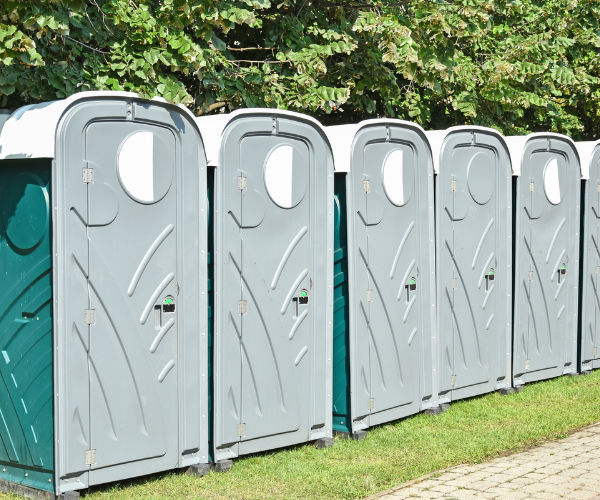
Discover the local charm of Pine Ridge with our top-tier portable toilet services, perfectly suited for your events amidst stunning outdoor attractions. Whether it's a serene wedding by Lake Pine or a bustling festival at the Pine Ridge Annual Music and BBQ Festival downtown, our facilities seamlessly blend into the locale, enhancing every occasion. Community events thrive with our clean and reliable solutions that ensure enjoyment and comfort for guests. Situated close to nature, Pine Ridge's picturesque settings provide the ideal backdrop, and our services ensure the experience remains unforgettable. Choose us for unmatched convenience and peace of mind, knowing our portable toilets top the choice list for this area.
Pine Ridge deserves nothing less than excellence, and our portable toilet rentals deliver exactly that. With our services, you enjoy unparalleled cleanliness and professionalism. Our team's strong community connections allow us to surpass your expectations reliably. From grand events to intimate gatherings, we remain the trusted provider in Pine Ridge, prioritizing your needs. Rely on us for exceptional service that amplifies your event's success while seamlessly aligning with Pine Ridge's proud traditions.
In Pine Ridge, our portable toilet services stand out for their swiftness and reliability, ensuring your events go smoothly. Our commitment to fast service starts with our streamlined ordering process and continues through to timely delivery. Every unit is meticulously maintained and ready at a moment's notice, catering to your specific scheduling needs. Rely on our trusted service for your construction projects or events, knowing that rapid delivery and setup are guaranteed. Choose us for not only speed but peace of mind, making every event effortlessly successful.
Learn More About Our Portable Toilets in Pine Ridge
Renting a portable toilet in Pine Ridge is designed to be a straightforward process, thanks to the convenient features of our website. Start by navigating to our homepage, where you will find access points to our rental form at both the top and bottom sections of the page. Rather than waiting, interested renters can also click on any of the strategically placed Get A Quote buttons throughout the site. Our form requires just the basic details: your first name, last name, phone number, and email. Once completed, submit the form, and our team will reach out to you promptly with a tailored quote, ensuring you receive vital information to make a well-informed decision. This interaction allows potential clients to better understand the specific packages and additional services. Our team prides itself on transparency and efficiency, offering cost-effective solutions that align with the unique requirements of your event or project. Through our website, everything from construction site needs to festival arrangements can be organized with minimal hassle. Upon accepting a quote, our seasoned logistics crew ensures timely delivery and setup, guaranteeing each unit is fully operational on the day required. Our polite and knowledgeable customer service team is just a phone call away to assist with any further inquiries, making renting from us a breeze. So, whether planning a large community event or a small family gathering, trust our services to deliver portable solutions with ease and confidence.
When it comes to portable toilet orders, we understand that timing is everything. Typically, the delivery timeframe ranges based on your specific needs and location within Pine Ridge. However, we pride ourselves on our swift response, with many orders being fulfilled within 24 to 48 hours of confirmation. Our team aims to exceed standard industry timelines to ensure your events or projects face no undue delays. For urgent cases, we offer expedited services where possible, reflecting our commitment to meeting even the most pressing demands with efficiency and precision. Once an order is placed, our dedication to communication shines through as we keep you updated at every step. From initial confirmations to scheduling and routing updates, our process ensures transparency and reliability, so you can focus on other elements of your planning. Regional considerations also play a part in determining delivery times, with emphasis placed on reducing logistical barriers while maximizing punctuality. Ultimately, our ultimate goal is to deliver a service that you can trust for consistency, endeavoring to accommodate unique delivery schedules. This flexibility positions us as a reliable partner for diverse events, from expansive outdoor festivals to intimate gatherings, ensuring you receive functional and clean restroom solutions right when you need them.
Certainly, we service an extensive array of events and construction sites with our adaptable portable toilet solutions. Whether you are organizing a grand festival or managing a precise construction project, our services are designed to accommodate your varied sanitation needs. Our portfolio includes events such as festivals, sporting events, weddings, corporate functions, and even family reunions, where maintaining guest comfort and satisfaction is paramount. Moreover, we provide luxury restroom trailers that offer an elevated bathroom experience, along with standard porta potties for more minimalist needs. Our comprehensive offerings don't stop there. Our inventory includes roll off dumpsters for efficient waste management, fencing and barricades for event or site security, and holding tanks, ADA units, portable sinks, and hand sanitizer stations to enhance convenience and sanitation. Regardless of the event scale, our knowledgeable team works closely with you to tailor solutions that match each unique requirement. By focusing on reliability and customer satisfaction, we ensure smooth service delivery from consultation to setup and beyond. This ability to cover a spectrum of events establishes us not merely as a vendor, but as a trusted partner devoted to exceeding our clients' expectations while preserving the integrity and enjoyment of their engagements.