Restroom Trailers offer numerous eco-friendly advantages that make them an attractive option for environmentally conscious event planners and site managers. These trailers are designed with sustainability in mind, incorporating features that minimize their environmental impact. One significant advantage is water conservation. Many Restroom Trailers are equipped with low-flow fixtures that significantly reduce water usage compared to traditional fixed facilities. This not only conserves water but also reduces the volume of wastewater that needs to be managed, easing the burden on local sewage systems. Additionally, the mobile nature of Restroom Trailers allows them to be strategically positioned to limit environmental disruption. Their portability means they can be set up in locations that minimize ecological impact, avoiding sensitive areas and reducing the need for permanent infrastructure that could harm the local habitat. Moreover, modern Restroom Trailers often utilize solar power for lighting and climate control, further reducing reliance on non-renewable energy sources. By harnessing solar energy, these trailers provide the necessary comfort amenities while still maintaining a low carbon footprint. Plus, the materials used in constructing newer trailers tend to be more sustainable, using recycled and eco-friendly components that are both durable and environmentally responsible. Restroom Trailers also contribute to environmental health by ensuring that waste is stored and transported safely in compliance with local regulations. This prevents contamination and protects local ecosystems from potential pollutants. When events or construction projects conclude, the cleanup involves fewer resources and less environmental strain, thanks to the trailer's minimal footprint and integrated waste management systems. Overall, Restroom Trailers present a sustainable sanitation solution that supports both operational efficiency and environmental stewardship, making them a smart choice for those committed to reducing their ecological impact.

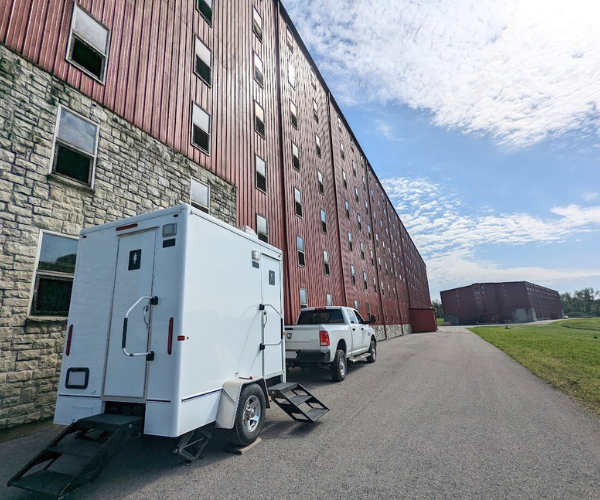
Restroom Trailer Rentals in Ivey, Georgia
Call today for a free quote (762) 716-4705
Restroom Trailer
Fast, Easy, & 100% Free To Get Started
Over 30 Years Of Experience
With over 30 years of experience, our commitment to quality makes us the leading Restroom Trailer provider in Ivey. We are proud to be a part of the local community, offering professional and dependable service.
Superior Quality Service
We ensure every Restroom Trailer we supply meets top standards, committed to quality service. Through our professionalism, attention to cleanliness, and reliability, we consistently deliver outstanding customer experiences.
Fast and Efficient Delivery
Our fast delivery service guarantees that your Restroom Trailer reaches any location in Ivey promptly. We recognize the importance of timing and focus on streamlined logistics to support your event planning effectively.
Convenient Restroom Trailers in Ivey, Georgia
Call for a Free Quote Today
(762) 716-4705
Our Restroom Trailer services in Ivey, Georgia, are synonymous with reliability and convenience. Locally owned and operated, we pride ourselves on providing dependable and timely services to our community and neighboring areas. Whether you are planning a construction project, an elegant wedding, a vibrant festival, or a backyard party, our high-quality restroom trailers ensure cleanliness and comfort. We understand the importance of reliable facilities at your event, which is why we guarantee prompt delivery and maintenance. Our trailers are designed to cater to all your sanitation needs, offering a luxurious experience for you and your guests. Trust in our commitment to exceptional service, as we strive to surpass your expectations and ensure your event's success.
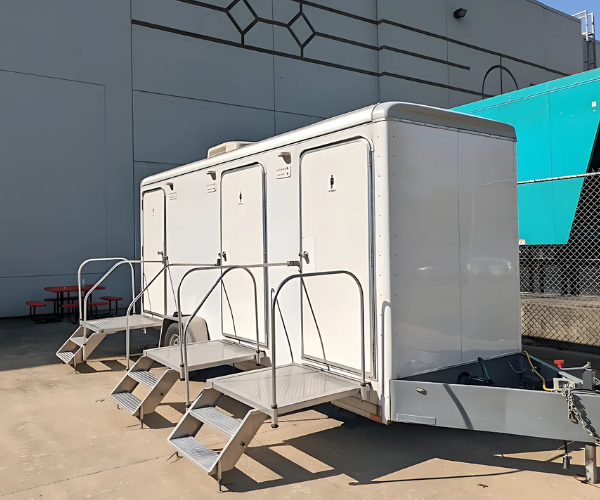
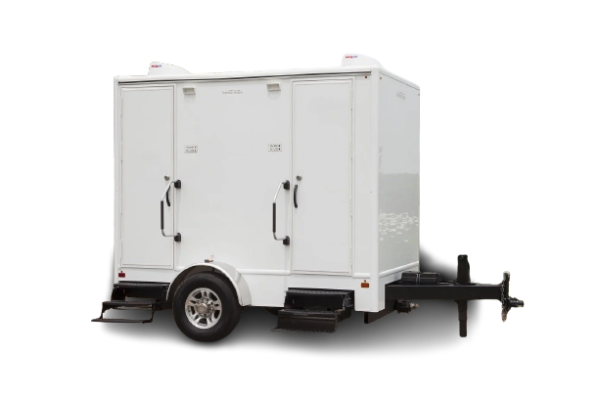
A compact, stylish solution featuring separate entrances for men and women.Each private suite includes flushing toilets, sinks with running water, interior lighting, and climate control for comfort at any event or worksite. (We offer variants 2–10 stalls.)
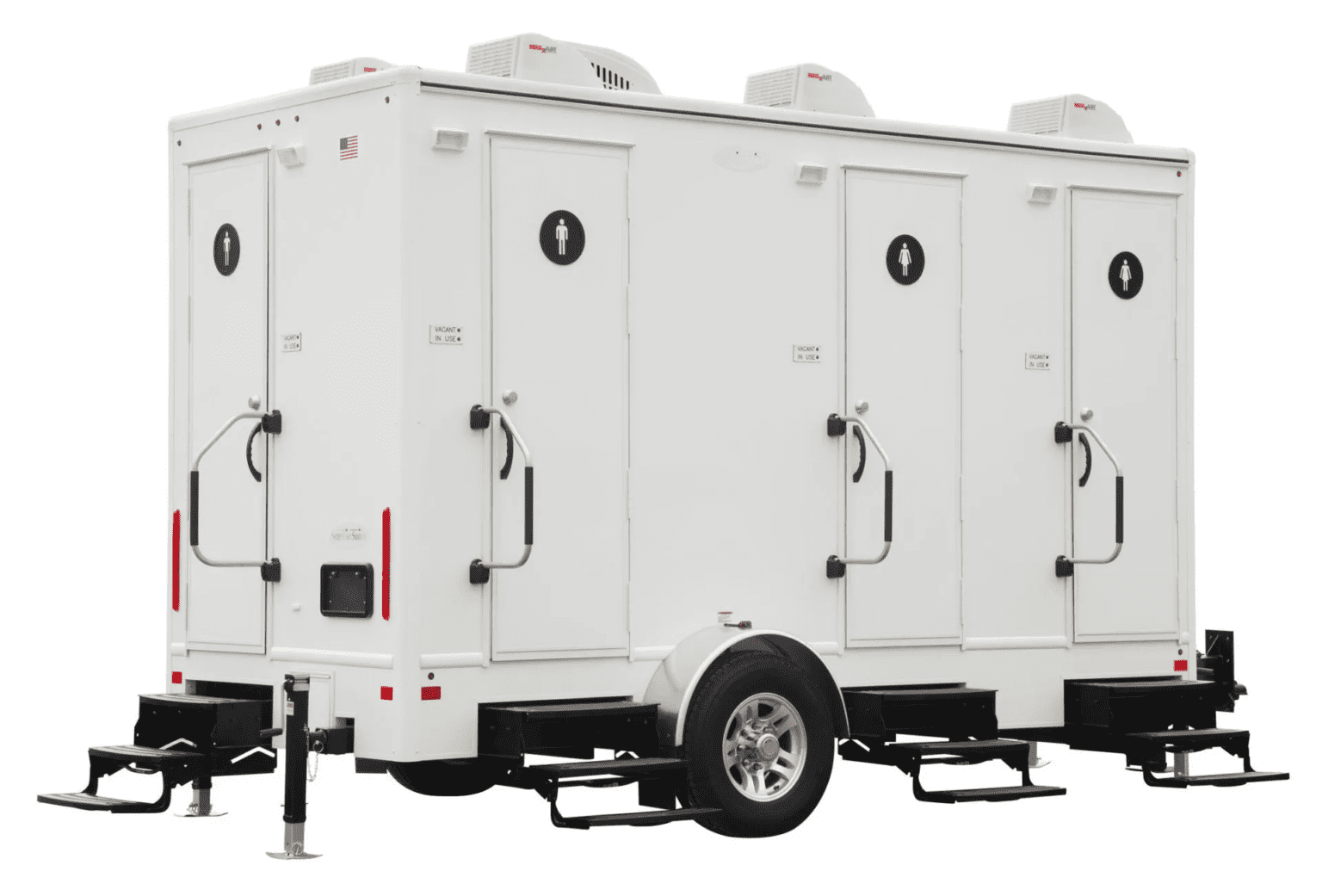
Designed for higher guest capacity, this unit offers four private, individual restrooms with flushing toilets, sinks with running water, interior lighting, and climate control. Ideal for weddings, festivals, and busy job sites.(We offer variants 2–10 stalls.)
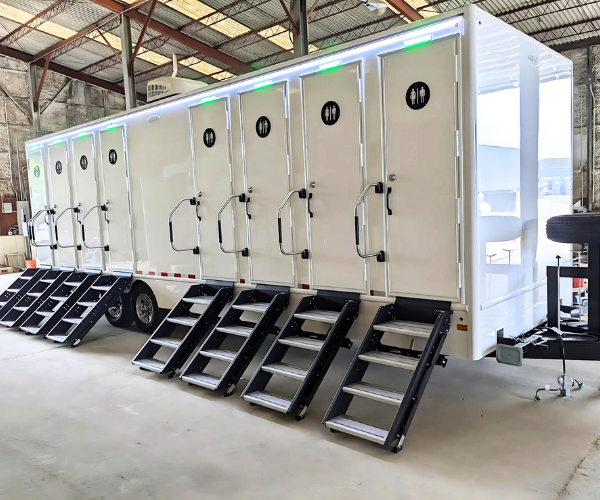
Perfect for large events and high-traffic sites, this spacious trailer provides eight private stalls, each with a flushing toilet, sink with running water, interior lighting, and climate control. A reliable, upscale solution for maximum convenience and comfort.(We offer variants 2–10 stalls.)
We Proudly Serve
Standard Portable Toilets
Our Standard Portable Toilets offer reliable and hygienic restroom solutions across Georgia, catering to various events and locations.
High Rise Portable Toilets
Our High Rise Portable Toilets in Ivey provide convenient restroom access, ideal for construction projects and urban events.
Restroom Trailers
Our Restroom Trailers at Ivey offer luxury and convenience, perfect for upscale events and large gatherings.
Roll off Dumpsters
Roll off Dumpsters in Ivey from Portable Services provide efficient waste management solutions for events and construction sites.
Septic Tank Cleaning
Our Septic Tank Cleaning service in Georgia ensures safe and effective maintenance for both residential and commercial properties.
Grease Trap Cleaning
Our Grease Trap Cleaning in Ivey, Georgia, maintains kitchen efficiency by providing thorough and eco-friendly cleaning solutions.
Fencing & Barricades
Our Fencing & Barricades service in Georgia provides secure and adaptable solutions for both public and private events.
Residential Storage
Our Residential Storage in Ivey offers secure and flexible options for homeowners seeking additional space solutions in Georgia.
Ivey Restroom Trailers and More
At our company, we understand the importance of convenience when it comes to obtaining a quote and arranging delivery for your Restroom Trailer in Ivey. Our process is designed to be as straightforward and stress-free as possible. With just a few clicks, you can access our user-friendly website, where you'll find forms at both the top and bottom of the page. Simply fill out your contact information, and click the 'Get A Quote' buttons for prompt assistance. Our team is dedicated to providing clear, concise information and swift responses to ensure your rental experience is seamless. Whether for a construction project, an intimate gathering, or a lavish celebration, we cater to all events with the same level of dedication. We ensure every request is handled with precision and care, delivering on time and meeting our high standards of service. Trust in our company for a reliable and efficient Restroom Trailer rental experience.
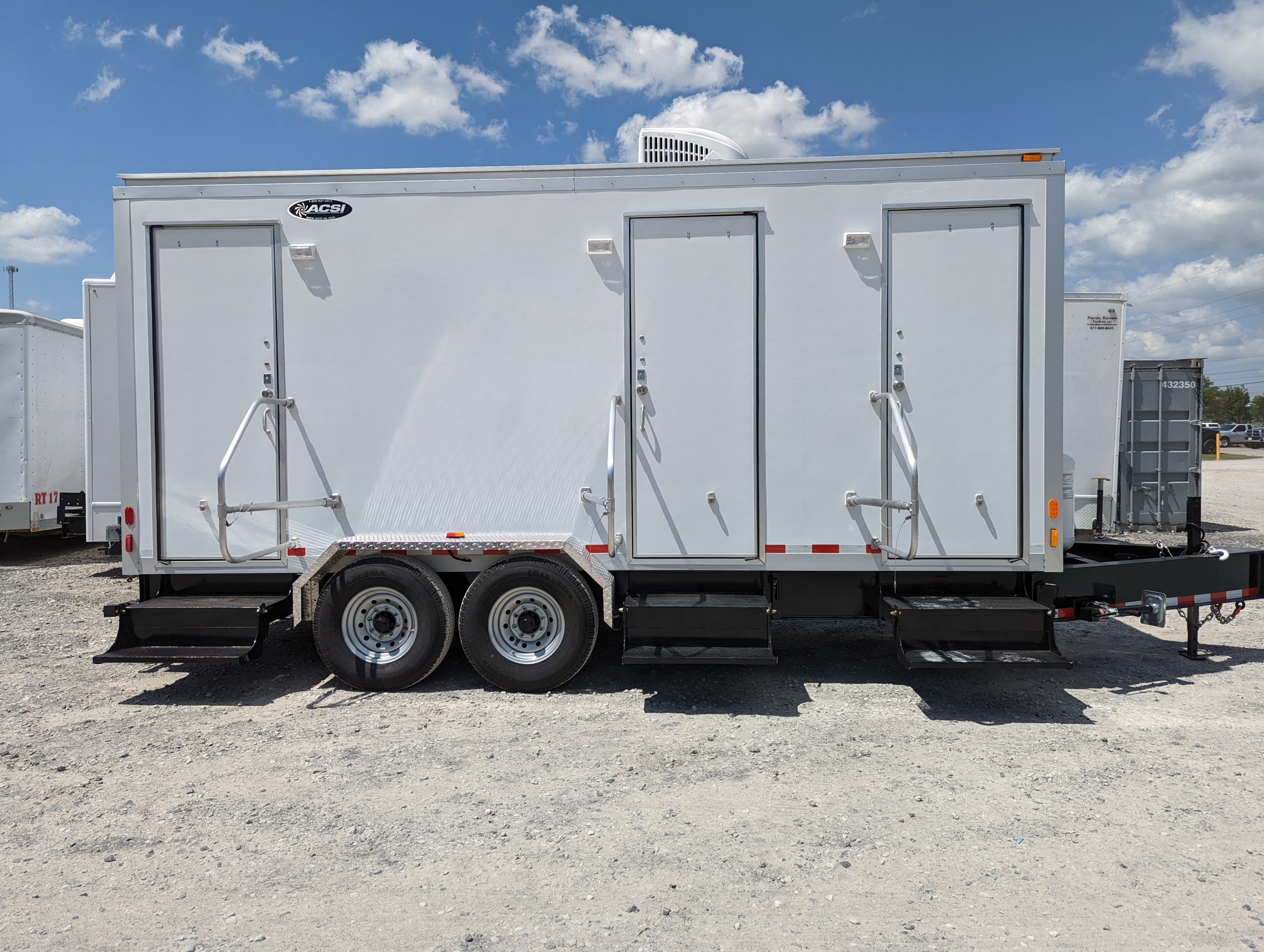
Ivey, Georgia, enchants with its mix of outdoor attractions and vibrant community events, providing the ideal setting for unforgettable gatherings. Our Restroom Trailer services enhance these occasions by offering premium sanitation solutions that seamlessly align with the allure of venues like the nearby Ocmulgee River or the annual Georgia National Fair. Whether hosting a nature-inspired wedding or enjoying a local festival, our trailers offer clean, convenient, and dependable options that ensure guest satisfaction. Tailored to meet the unique needs of Ivey and surrounding areas, our trailers not only function excellently but also add a touch of elegance to any event. Guests appreciate the comfort and accessibility of our facilities, enhancing a stress-free experience. Choose us for your next event and treat your guests to the best portable restroom solutions available.
As the leading Restroom Trailer provider in Ivey, we put quality and customer satisfaction at the forefront. Our unwavering commitment shines through in every service we deliver, whether it's our top-tier trailers or our outstanding customer service. We recognize the critical role of dependable sanitation at events and work diligently to exceed your expectations.Rely on our local expertise and dedicated team to provide exceptional service consistently. We cherish our community role and aim to maintain the high standards residents anticipate. Our seasoned professionals are here to ensure your event's success with our superior Restroom Trailer services.
In Ivey, fast and reliable Restroom Trailer services are essential for seamless event planning. We understand that timing is everything, and our logistics team works diligently to ensure that your trailer arrives promptly and in perfect condition. From the moment you place your order until the end of your event, we prioritize efficiency and dependability.Our reputation for quick delivery and professional service sets us apart from the competition. You can rely on us to meet tight schedules and provide the necessary support for a successful occasion. Let us handle your restroom needs so you can focus on creating unforgettable experiences in Ivey.
Discover Ivey's Top Restroom Trailers
Renting a Restroom Trailer in Ivey is a straightforward process, designed with convenience in mind to ensure a hassle-free experience. To begin, potential renters can visit our website where all the necessary resources and forms are readily available. On the website, you will find easy-to-locate 'Get A Quote' buttons scattered throughout the pages, each of which is a gateway to detailed information and personalized service. To move forward, simply click on any of these buttons, and you'll be prompted to fill out a user-friendly form located at both the top and bottom of our webpage. This form requires basic information, such as your first name, last name, phone number, and email address, ensuring we have the necessary details to reach you efficiently. Once submitted, this information allows our customer service representatives to review and respond to your inquiry with tailor-made solutions that suit your specific needs. After submitting the form, a member of our dedicated team will promptly get in touch, providing a comprehensive quote that not only includes pricing but also details on availability, customization options, and rental terms. We take pride in offering guidance and support to help you choose the right Restroom Trailer for your event, whether it's a small family gathering, a large corporate event, or an extensive construction site. Throughout the process, we emphasize transparency and communication, eliminating any uncertainties that might arise. Additionally, our website provides direct contact options for those preferring a more personal interaction. You can call our service hotline where a knowledgeable staff member is always ready to assist. Overall, the rental process is designed to be as seamless and efficient as possible, ensuring our clients in Ivey receive top-notch service with minimal effort.
Understanding the typical delivery timeframe for Restroom Trailer orders is crucial for effective event planning and execution. Generally, our delivery process is streamlined to ensure prompt service, reflecting our commitment to timely and reliable arrangements. Once you place an order, our team immediately begins coordinating logistics to meet your specific timeframe. Typically, we request that orders be placed at least one to two weeks before the scheduled event or project start date. This timeframe allows us to fulfill all administrative procedures, trailer preparation, and route planning efficiently. However, we also understand that last-minute needs arise, and we strive to accommodate urgent requests whenever possible. Our experienced logistics team plays a crucial role in the delivery process, from optimizing delivery routes to ensuring that the trailer arrives in immaculate condition. Moreover, communication with our clients remains a priority. We provide regular status updates via email or phone, ensuring that you're always informed about your order. This proactive approach addresses any potential adjustments and mitigates unforeseen delays. For those in closer proximity to our facilities in Ivey, delivery might be arranged more swiftly, while those located further out can rest assured that our strategic planning takes distance into account. Overall, while standard delivery is generally completed within the scheduled window, our flexibility and focus on customer satisfaction can accommodate various timelines, providing peace of mind as you prepare your event or project. Rest assured that with our service, you can expect your Restroom Trailer to arrive on time, ready to meet all your logistic and sanitary needs.
Yes, we are fully equipped to service any type of event or construction needs with our comprehensive range of products. Our offerings are designed to cater to a wide array of occasions, from large-scale festivals and sporting events to intimate weddings and corporate gatherings. Additionally, our extensive inventory is perfectly suited for construction projects of any magnitude. One of our flagship offerings includes luxury restroom trailers that provide exceptional comfort and privacy, setting a high standard for sanitation at upscale events. These trailers, alongside standard porta potties, ensure that all attendee needs are met efficiently. For waste management, we offer roll-off dumpsters, providing convenient solutions for both event planners and construction managers. Security and control are also key service areas, as we supply durable fencing and barricades to delineate spaces and manage crowds effectively. Our holding tanks and ADA-compliant units cater to specialized accessibility requirements, ensuring inclusivity at every function. Furthermore, our portable sinks and hand sanitizer stations contribute to hygienic environments, which is crucial for both public health and event compliance. Overall, our flexibility and extensive product offerings mean that no event is beyond our capability to service, providing dependable and comprehensive sanitation solutions tailored to your specific requirements. Our experienced team is ready to assist you in selecting the right products and services, prioritizing cleanliness and efficiency regardless of the event scale or duration.