Portable toilets offer an eco-friendly advantage in reducing water usage, which is significant in a world where water conservation is essential. Traditional flush toilets use several gallons of water per flush, but portable toilets minimize this greatly by using a chemical-based, low-water flushing system. The conservation of water not only benefits the environment but also decreases overall costs associated with water treatment and sewage processes.Moreover, portable toilets help maintain the hygiene and cleanliness of public spaces, particularly in outdoor events or construction sites where access to traditional sanitation facilities might be limited. By ensuring waste is contained and confined to these units, the risk of contamination and pollution of local water sources and landscapes is significantly reduced.Another eco-friendly aspect of portable toilets is that they're designed for efficiency in waste disposal. The waste collected is often treated and processed in a manner that allows for safe decomposition or recycling, converting what would be a hazardous waste into a resource for agriculture as fertilizer when treated properly.Furthermore, the materials used in modern portable toilets are often recyclable, reducing the environmental footprint once the units reach the end of their operational life. Manufacturers are increasingly incorporating biodegradable materials and environmentally friendly chemicals, boosting their sustainable profiles.Additionally, the mobility of portable toilets means they reduce the need for permanent infrastructure, which can disrupt natural landscapes. They can be easily deployed to areas of concern, providing efficient sanitation solutions without the need for large-scale construction that could damage the environment.In a broader perspective, using portable toilets supports the global initiative to minimize carbon footprints by virtually eliminating the need for electricity and plumbing services, thus promoting energy conservation. This approach aligns with the ethos of sustainable development, ensuring that sanitation needs are met without compromising the well-being of future generations.

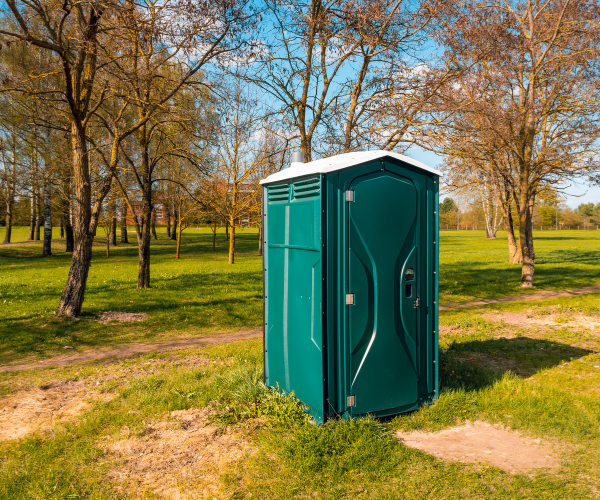
Portable Toilet Rentals in Barnwell County, South Carolina
Call today for a free quote (762) 716-4705
Portable Toilet
Fast, Easy, & 100% Free To Get Started
Over 30 Years of Trust
For more than 30 years, our company has been a dependable presence in Barnwell County, drawing inspiration from strong community ties. We strive to meet every need by delivering exceptional service with each Portable Toilet we provide, reinforcing our commitment to quality.
Unmatched Quality Service
Our dedication to quality service is evident through our meticulous attention to detail, ensuring each unit delivers comfort and cleanliness. We strive to exceed expectations, providing robust sanitation options that meet the unique demands of our clients with flawless precision.
Fast & Reliable Delivery
Benefit from our fast and reliable delivery services, tailored to suit your schedule and location in Barnwell County. Our efficient logistics team ensures that all portable toilets arrive promptly, set up for your ease, and ready to serve at a moment's notice.
Reliable Portable Toilet Services in Barnwell County
Call for a Free Quote Today
(762) 716-4705
Situated in the heart of Barnwell County, our Portable Toilet company offers high-quality sanitation solutions you can trust. As a locally owned business, we take pride in our reliability and commitment to excellence, serving Barnwell and the surrounding South Carolina areas. Whether you need restrooms for construction sites, lively parties, bustling festivals, or elegant weddings, our dependable units are tailored to meet all your needs. We distinguish ourselves in the industry with impeccable maintenance standards, punctual service, and a genuine desire to enhance your experience. Our dedicated team ensures every unit is spotless and thoroughly sanitized before delivery. Choose us to bring convenience and comfort to your event, knowing our focus is on your satisfaction.

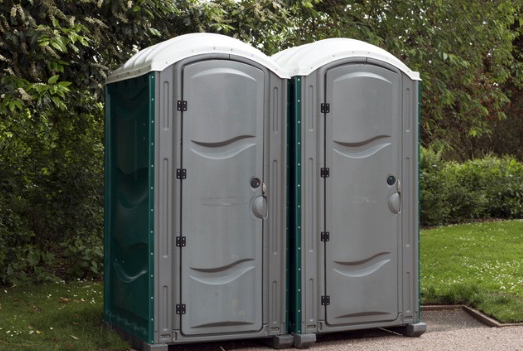
Our standard porta john rental units are durable and reliable for any commercial build site, housing development, public works project, or remodel job.Features include dome lighting, grated floors, and an “In-Use” locking mechanism for privacy and comfort. Regularly maintained, inspected, and cleaned by FusionSite at your location.
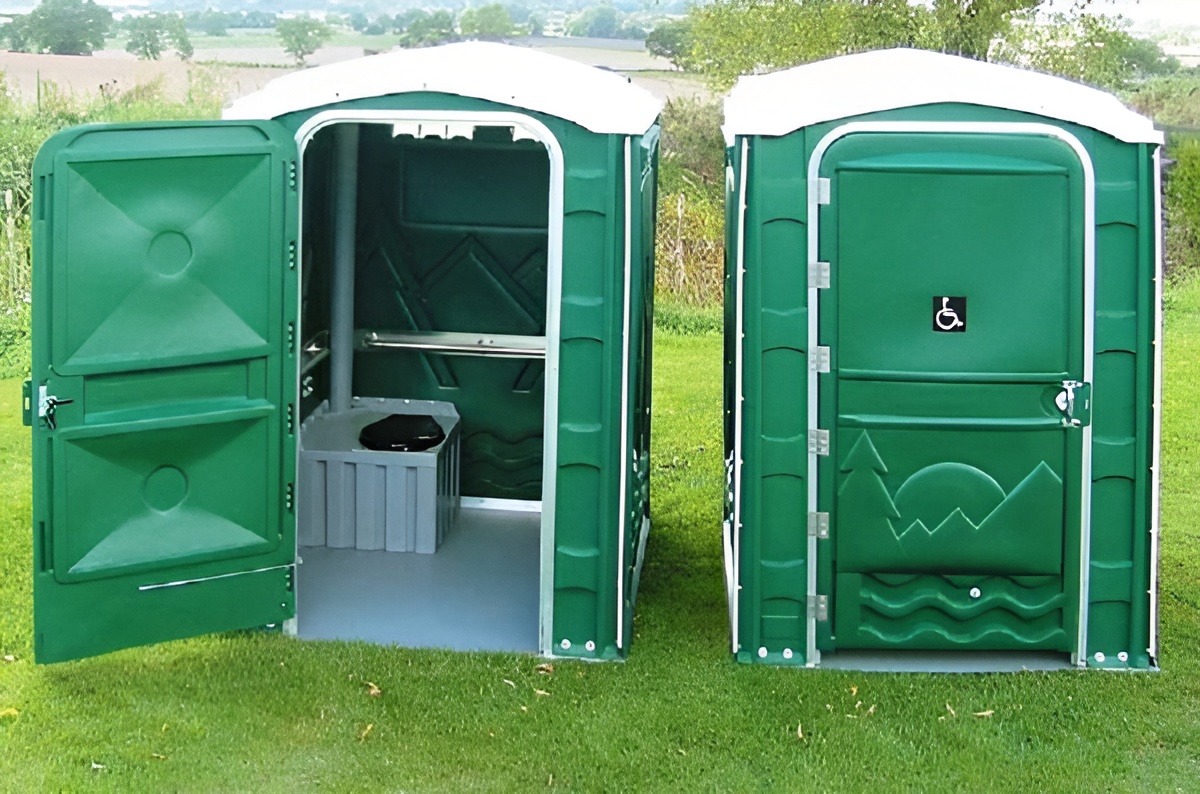
Developed as an alternative to full ADA-compliant restrooms, the Liberty is a spacious, wheelchair-accessible unit that can also be promoted as a family-sized restroom. Includes a patented flat-floor system for easy wheelchair access and maneuverability.Handrails, paper holder, and rotary latch are designed for simple, intuitive end-user operation.
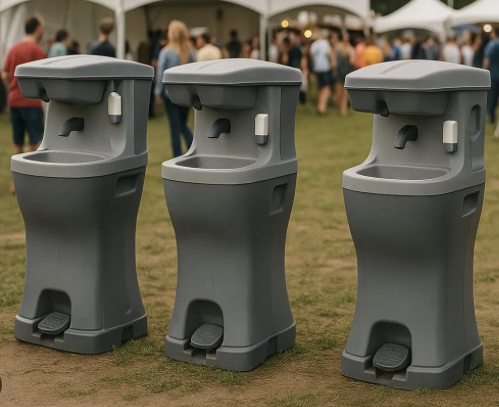
Portable hand washing stations are essential for keeping your work site sanitary and clean. Features hands-free foot pumps, liquid soap, and paper towels.Perfect for job sites without water hookups, these units can handle hundreds of washes between services.
We Proudly Serve
Standard Portable Toilets
Our Standard Portable Toilets are perfect for Barnwell County's outdoor events, featuring clean and comfortable facilities.
High Rise Portable Toilets
High Rise Portable Toilets in Barnwell County ensure sanitation access for multi-story buildings and construction sites.
Restroom Trailers
Restroom Trailers in Barnwell County offer luxury amenities for events needing high-quality portable sanitation.
Roll off Dumpsters
Our Roll off Dumpsters provide efficient waste management solutions for projects in Barnwell County.
Septic Tank Cleaning
Professional Septic Tank Cleaning services in Barnwell County keep your systems functioning at peak performance.
Grease Trap Cleaning
Barnwell County's Grease Trap Cleaning services ensure optimal kitchen operation by preventing blockages and build-up.
Fencing & Barricades
Portable Services offers Fencing & Barricades in South Carolina to enhance your event's safety and organization.
Residential Storage
Our Residential Storage services in Barnwell County offer convenient and affordable solutions for your space needs.
Barnwell County Portable Restroom Solutions
Whether you're planning a large festival or a cozy backyard celebration in Barnwell County, getting a quote and scheduling delivery for a portable toilet has never been easier. Our straightforward process ensures that you won't be bogged down by unnecessary steps or tedious paperwork. Simply reach out to us through our website's Get A Quote buttons or fill out our form with basic contact information, and you'll be on your way to securing the perfect sanitation solution for your event.Our team prides itself on its efficiency and customer-focused approach, offering free quotes with no obligation to book immediately. You'll be able to explore various options and customized packages that align with your specific needs and budget. By streamlining our process, we make certain that no event in Barnwell County is left without optimal sanitation facilities.In addition to our exceptional customer service, our capability to deliver promptly sets us apart. A fleet of well-maintained vehicles and strict adherence to schedules mean that you can rely on us for timely setup and collection of all portable toilet units, leaving no room for concern.Don't let logistics loom large over your event planning—trust us to deliver convenient, top-notch sanitation solutions that meet local demands with grace and reliability. Our dedicated support team stands ready to assist with any inquiries, ensuring the quoting and delivery process is as seamless as possible.
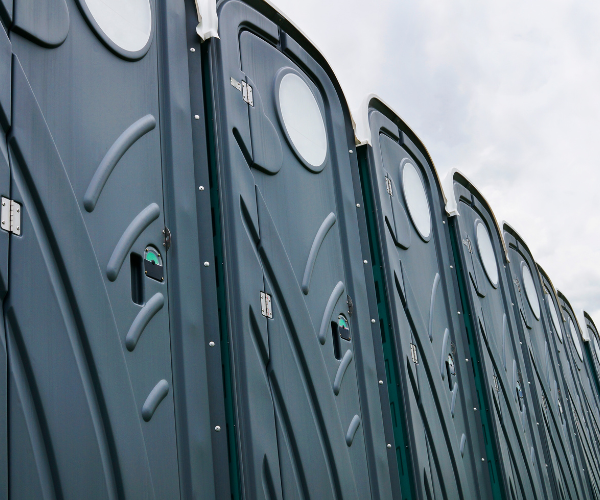
Embrace the charm of Barnwell County with our superior portable toilet rental services, perfectly suited for any occasion. Whether attending the renowned Barnwell County Agricultural Fair or enjoying a backyard wedding under the county's iconic sprawling oak trees, we offer clean and dependable sanitation solutions that enhance each gathering. Our portable toilets are equipped to handle events of all sizes, reflecting Barnwell County's values of ease and accessibility. Located conveniently near serene nature spots and attractions like the Barnwell State Park, our services seamlessly integrate into community events, from lively picnics to memorable reunions. By choosing our services, you ensure peace of mind, supported by a company deeply rooted in local expertise and committed to quality. Each unit is maintained to the highest standards, ensuring the comfort and satisfaction of guests remains our top priority.
Your Best Choice in Portable Toilets:As Barnwell County's foremost provider of portable toilets, we are committed to delivering superior sanitation services that reflect our region's esteemed hospitality. Our offerings cater to every possible occasion with clean and user-friendly units that underscore reliability and comfort.Customer Satisfaction Guaranteed:Experience unparalleled customer service tailored specifically for Barnwell events. We prioritize swift communication and flexibility to ensure your needs are met with efficiency and care, reinforcing our reputation as the area's leading choice for portable sanitation.
Fast, Reliable Service:We promise swift and dependable portable toilet services, addressing all your sanitation needs in Barnwell County. Our strategically located supply centers and attentive fleet ensure timely delivery for every event.Customer-Centric Approach:Our skilled team focuses on your convenience, handling everything from scheduling to pick-up with precision. This seamless service underscores our commitment to customers, maintaining high standards of excellence and professionalism in compliance with local expectations.
Barnwell County: Discover Our Portable Toilets
Renting a Portable Toilet in Barnwell County is a straightforward and user-friendly process. Our website is designed to streamline this experience with Get A Quote buttons prominently displayed throughout, ensuring easy access no matter where you are on our site. Interested individuals can complete the convenient contact form, which asks for some basic information including first name, last name, phone number, and email.Upon submission, our dedicated team promptly reviews each request, ensuring swift follow-up with personalized quotes tailored to meet your specific needs. This efficient approach takes the stress out of arranging portable sanitation, allowing you to focus on planning your event or project.In addition to our web-based options, customers can reach out via phone during our business hours. Our professional and friendly staff are always ready to assist, providing guidance on options and helping you choose the best solutions. Customers appreciate the ease of communication and the personalized attention they receive.We are committed to clarity and transparency, with no hidden fees or complex terms. Our contracts are straightforward, ensuring you can make informed decisions with confidence. Each rental agreement is accompanied by clear terms so you understand exactly what you're getting.Whether it's for a family gathering, a large festival, or a construction project, our services are tailored to provide not just excellent sanitation facilities but also an unmatched customer service experience. Trust us to deliver prompt and reliable solutions that meet your expectations with precision.
When planning an event or construction project, timing is crucial, and understanding the delivery timeframe for portable toilets can help ensure everything runs smoothly. Our company is committed to providing timely, dependable service, and we aim to deliver all portable toilet rentals within the specified window that suits our customers' needs.Typically, delivery can be expected within one to three business days after finalizing an order, depending on the complexity and volume of the request. For those organizing large events or needing extensive setup, we recommend confirming details in advance to guarantee availability and precise delivery scheduling.We have a highly organized logistics team that prioritizes prompt delivery without compromising on quality. Whether in Barnwell County or the neighboring locales, our fleet is equipped to handle various terrains and access all locations, ensuring your units are placed exactly where they're needed.Communication is key to our operations; customers are regularly updated on their order status to eliminate uncertainty. Our commitment to transparency means that you will receive confirmations and updates every step of the way to give you peace of mind as you plan.While we strive to stick to our delivery commitments, unforeseen circumstances such as weather conditions or road closures might affect timelines. Nevertheless, our team is skilled at troubleshooting and will swiftly address any potential delays to minimize disruption.Ultimately, we understand the importance of reliability and flexibility, tailoring our service to meet your unique needs. Rest assured that by choosing our portable toilet services, you're selecting a partner dedicated to timely and efficient delivery, enhancing your overall experience.
Yes, we are fully equipped to service any type of event or construction services, offering a wide range of portable sanitation solutions to meet diverse needs. Whether you're hosting a lively festival, coordinating a sporting event, planning a wedding, or managing a corporate gathering, our versatile selection is designed to accommodate your requirements.From luxury restroom trailers perfect for upscale events to durable porta potties suited for bustling construction sites, we tailor our offerings to match the specific demands of each occasion. Our roll-off dumpsters provide efficient waste management solutions, while temporary fencing and barricade services ensure safety and organization across all event landscapes.Our inventory includes ADA-compliant units, portable sinks, and hand sanitizer stations, providing comprehensive coverage to maintain hygiene standards for both guests and employees. These versatile options make us the ideal partner for family reunions and other special events that require personalized sanitation plans.We understand that each project and event comes with its unique set of challenges, and our experienced team works closely with you to create a seamless service experience. Our capability to handle varying scales and types of events is backed by our commitment to customer satisfaction and operational excellence.We're proud to deliver a hassle-free experience that focuses on customer support, ensuring your event or project runs smoothly and perfectly aligns with your vision. Choose our services for peace of mind, knowing that sanitation needs are comprehensively managed by an industry leader noted for reliability and quality.