Portable toilets offer significant eco-friendly advantages, making them a preferred choice for responsible sanitation solutions. One key benefit is water conservation. Unlike traditional toilets, portable toilets use little to no water, reducing the strain on local water supplies. This is particularly beneficial in areas facing water scarcity or during events where water usage needs to be minimized.Portable toilets also require less energy for waste management, as they do not rely on extensive plumbing systems. Waste from portable toilets is collected and processed efficiently, with many companies employing eco-friendly methods for waste treatment and disposal. This minimizes the impact on local sewage systems and reduces potential pollution of natural water bodies.Additionally, many portable toilet units are built with recyclable materials, ensuring that once their use ends, they can be efficiently repurposed, reducing landfill waste. The design of these units often focuses on biodegradability and sustainability, further minimizing environmental impacts.The controlled and hygienic nature of portable toilets also means reduced risk of contamination. By providing clean, self-contained sanitation solutions, they allow for safe waste management, which is crucial in preserving health and hygiene standards, particularly in outdoor and public events. By engaging portable toilets, users contribute to the broader goals of sustainability, conservation, and health safety. Their use is a testament to responsible environmental stewardship, making events and projects both efficient and sustainable.

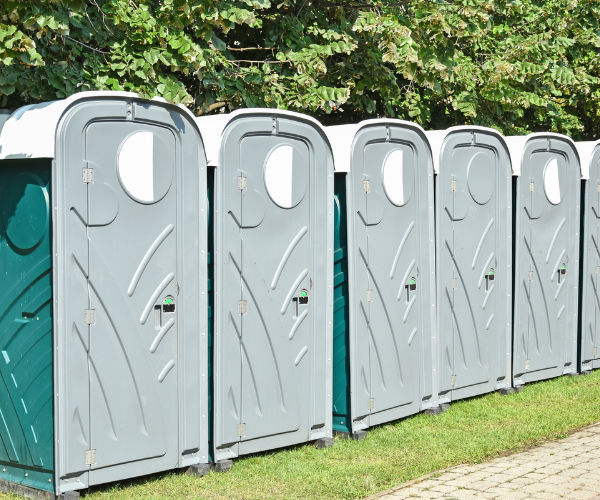
Portable Toilet Rentals in Greenwood, South Carolina
Call today for a free quote (762) 716-4705
Portable Toilet
Fast, Easy, & 100% Free To Get Started
Decades of Trusted Service
With over three decades of dedicated service, our portable toilet company in Greenwood has deep community ties and a strong commitment to quality. We ensure every client's needs are met with reliability and professionalism, making us a preferred choice in the area.
Unmatched Quality Service
Our commitment to quality service ensures each portable toilet is impeccably maintained and ready to exceed your expectations. We prioritize cleanliness, comfort, and punctuality, making every interaction seamless and satisfying.
Reliable and Quick Delivery
We pride ourselves on offering swift and dependable delivery services, ensuring your portable toilet needs are met without delay. Whether for a small gathering or a large festival, our logistics team ensures timely setup and removal.
Reliable Portable Toilet Solutions in Greenwood
Call for a Free Quote Today
(762) 716-4705
Located in the heart of Greenwood, South Carolina, our company is proud to offer reliable and efficient portable toilet rental services. As a locally owned business, we understand the community's needs and are dedicated to providing dependable sanitation solutions for various events. Whether you're organizing a bustling music festival, hosting a private party, managing a construction site, or planning a picturesque wedding, our portable toilets are tailored to meet your needs. Our commitment to quality is evident in our attention to hygiene, our punctuality, and our friendly customer service. We serve not only Greenwood but also its neighboring areas, ensuring that no event is left without the convenience of modern portable restrooms. Choose us for your sanitation needs and experience unparalleled service delivery.
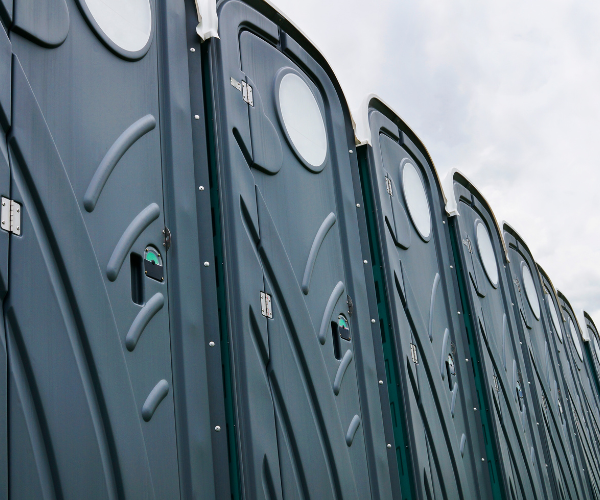
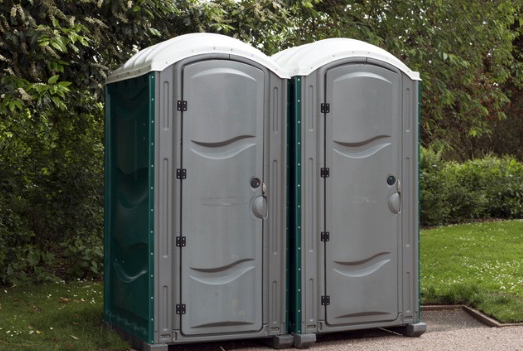
Our standard porta john rental units are durable and reliable for any commercial build site, housing development, public works project, or remodel job.Features include dome lighting, grated floors, and an “In-Use” locking mechanism for privacy and comfort. Regularly maintained, inspected, and cleaned by FusionSite at your location.
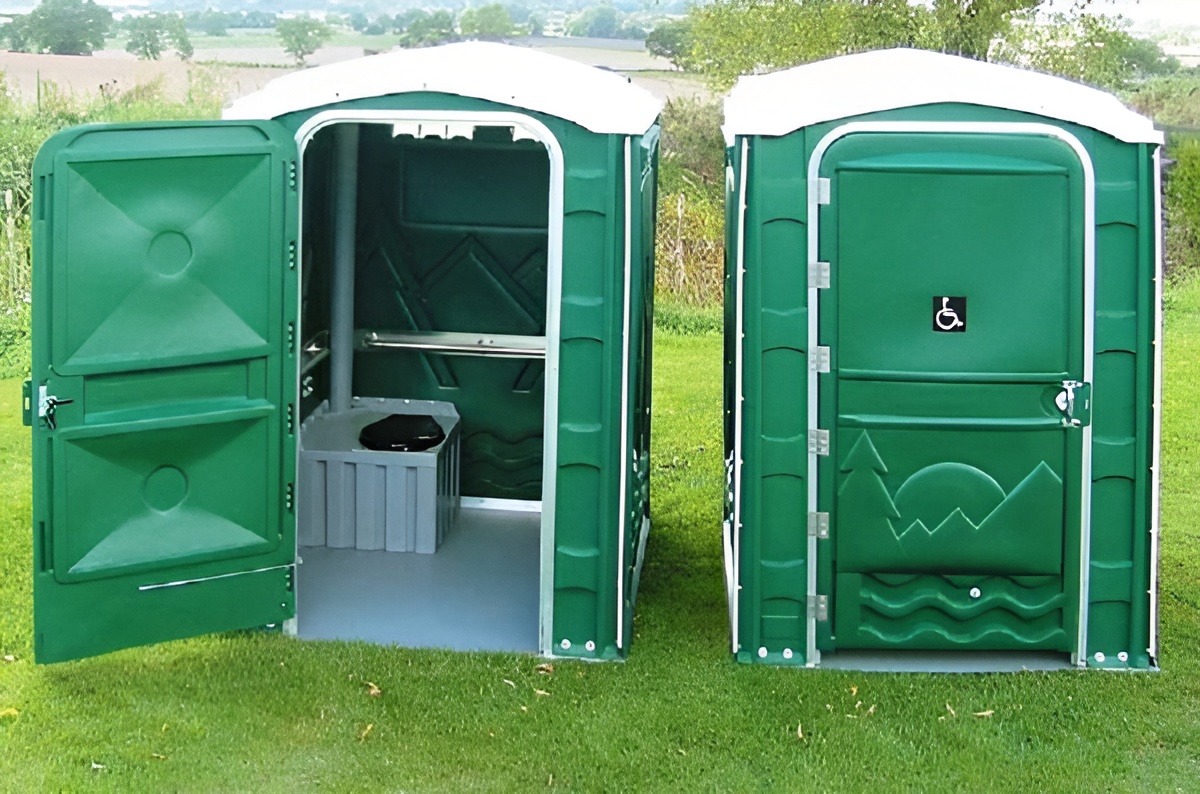
Developed as an alternative to full ADA-compliant restrooms, the Liberty is a spacious, wheelchair-accessible unit that can also be promoted as a family-sized restroom. Includes a patented flat-floor system for easy wheelchair access and maneuverability.Handrails, paper holder, and rotary latch are designed for simple, intuitive end-user operation.
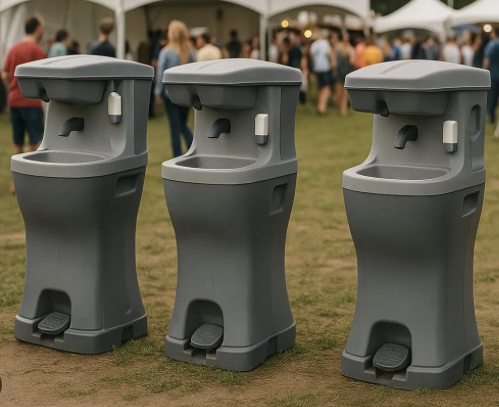
Portable hand washing stations are essential for keeping your work site sanitary and clean. Features hands-free foot pumps, liquid soap, and paper towels.Perfect for job sites without water hookups, these units can handle hundreds of washes between services.
We Proudly Serve
Standard Portable Toilets
Our Standard Portable Toilets offer reliable, sanitary restroom solutions for outdoor events in Greenwood, South Carolina.
High Rise Portable Toilets
High Rise Portable Toilets in Greenwood are designed for convenient placement in construction sites and elevated areas.
Restroom Trailers
Our Restroom Trailers in Greenwood provide luxury amenities, making them perfect for weddings and upscale events.
Roll off Dumpsters
Portable Services in Greenwood offers Roll off Dumpsters to accommodate waste management for large events and construction projects.
Septic Tank Cleaning
Professional Septic Tank Cleaning service in South Carolina ensures efficient waste management and system maintenance.
Grease Trap Cleaning
Grease Trap Cleaning in Greenwood ensures essential maintenance of kitchen systems, prolonging lifespan and efficiency.
Fencing & Barricades
Fencing & Barricades by Portable Services in South Carolina provide safe and secure perimeter solutions for various events.
Residential Storage
Our Residential Storage service in Greenwood offers secure solutions for your temporary storage needs, ensuring peace of mind.
Greenwood Portable Restroom Solutions
Getting a quote and arranging for the delivery of portable toilets in Greenwood has never been more convenient. Our user-friendly online quote system simplifies the process, allowing you to provide essential details within moments. By filling out a short form, you enter all the necessary information, such as the event date and location, ensuring a personalized and accurate quote. Once submitted, our team promptly reviews your request and provides a comprehensive quotation, taking into account the specific requirements of your event or project.Our efficient team coordinates the details, arranging for timely delivery and seamless installation, ensuring you receive the units in perfect condition. Experience peace of mind knowing your hygiene needs are prioritized. Once your event or project is complete, removal is organized with minimal disturbance, proving our dedication to client satisfaction. Count on us for competitive pricing and unmatched convenience in Greenwood.
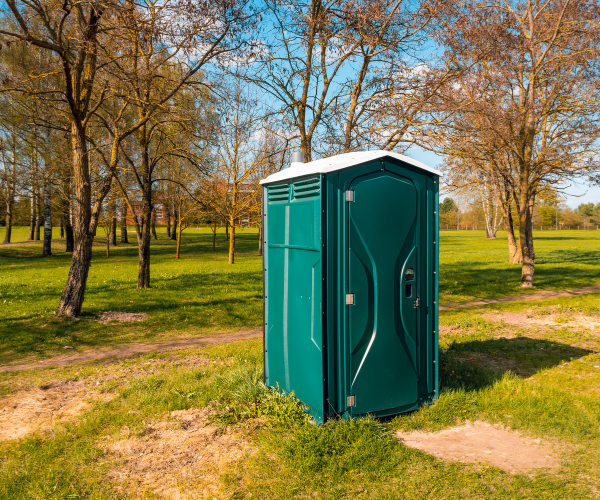
Discover the charm of Greenwood, South Carolina, where community events and scenic landscapes, such as the vibrant Festival of Flowers, create an ideal backdrop for gatherings. Whether celebrating this local festival or enjoying a serene outdoor adventure at Lake Greenwood, our portable toilet services elevate every occasion. Known for their cleanliness and convenience, our units are tailored to enhance guest experiences no matter the venue. Greenwood is a treasure trove of natural beauty, from its lush parks to vibrant Festivals of Discovery. Our portable toilets are strategically placed to ensure accessibility and comfort, making them a preferred choice for visitors and residents alike. Experience seamless service with units that are not only functional but also blend harmoniously with the surroundings, helping you focus on hosting memorable events.
Greenwood is known for its vibrant culture and friendly community, and our company fully embraces these local values. We deliver high-quality portable toilets, ensuring your events remain pleasant and stress-free. Each unit is clean, dependable, and backed by our commitment to exceptional service. No matter where your event is set, our comprehensive services address your specific needs, confirming why we are Greenwood's top choice for portable sanitation solutions.Our commitment to excellence distinguishes us. From your first inquiry to final pickup, our seamless operations demonstrate our professionalism and meticulous attention to detail, making us your trusted local partner. Our customer-focused approach assures satisfaction, rendering us essential for quality temporary sanitation near you.
When it comes to portable toilet services, reliability and speed are paramount. Our company ensures swift delivery and setup of clean, modern portable toilets, catering efficiently to both large-scale events and intimate gatherings. Located in Greenwood, we understand the need for quick responses and are dedicated to maintaining punctuality so that you can focus on what truly matters.Recognizing the importance of hygiene and convenience, every unit is equipped and ready for immediate use. Our professional team handles logistics and maintenance proficiently, ensuring your event progresses smoothly without sanitation worries. Trust our expertise to provide portable toilet solutions that are both fast and dependable.
Explore Our Greenwood Portable Toilets
Renting a portable toilet in Greenwood is a straightforward process designed to minimize hassle and ensure you have the facilities you need for your event or project. To start, you'll find Get A Quote buttons conveniently located throughout our website pages. Clicking one will direct you to a simple form where you'll be asked to enter your first name, last name, phone number, and email address.Once you submit this form, you can expect a prompt response from our team, who will provide availability and pricing tailored to your specific requirements. Our friendly customer service staff is also available to answer any questions and guide you through additional details, ensuring the rental process is smooth and efficient.Beyond the initial inquiry, our team assists in scheduling the delivery of your portable toilet unit on the specified date and to the exact location needed. We manage the logistics and installation so you can focus on hosting a successful and enjoyable event. After your event or project concludes, our crew will promptly collect the units, ensuring minimal disruption.Our service ensures high-quality, sanitary units and an all-in-one rental experience that leaves no stone unturned. From consultation to cleanup, enjoy the assurance and convenience that comes with renting from a trusted local provider.
Understanding the typical delivery timeframe for portable toilet orders involves considering a few standard, yet important factors. Generally, once an order is placed and confirmed, delivery can be expected within 24 to 48 hours for most standard needs. However, for events requiring large quantities or special configurations, working closely with our staff helps better define specific timelines.Particularly during peak seasons, such as festivals or large public events, it's advisable to book your portable toilets in advance to secure not only the units but also the preferred delivery times. While we do our utmost to accommodate last-minute requests, planning ahead ensures you receive the exact products and services that meet your event needs.For companies requiring ongoing or recurring services, such as construction projects, delivery scheduling can be organized in advance to match project timelines precisely. This level of customization ensures that your sites are always equipped and functional according to your stages and needs, allowing seamless progress without interruption.The efficient setup of portable toilets is a defining feature of our service. Customers can rest assured that our professional team is committed to punctuality and precision, ensuring installations are timely, locations are properly prepared, and the entire process is conducted with minimal disruption. Regular communication with our customer service team provides up-to-date confirmations so you can manage your plan with confidence.
The short answer is yes, our company is equipped and ready to service a wide array of events and construction needs. Whether it's for festivals, sporting events, or grand weddings, we offer a diverse range of sanitation solutions perfect for any gathering. From small family reunions to large corporate events, our flexible options cater to every possible need.Our services include luxury restroom trailers, which are ideal for occasions requiring a touch of elegance, while our basic porta potties are perfect for various settings, providing essential sanitation where needed. Our offerings extend further to include roll-off dumpsters for efficient waste management, and fencing and barricades to ensure safety and organization within event venues.We pride ourselves on providing ADA-compliant units, guaranteeing accessibility for all guests, and our portable sinks and hand sanitizer stations promote hygienic practices at every event. Our wide selection and dedicated staff make us a one-stop solution provider, trusted for our comprehensive and customizable services.Our expertise ensures that no matter the event or construction service requirements, every facility is safe, clean, and comfortable. This unwavering commitment to quality elevates us as a leader in our field, consistently chosen for our reputation and reliability.