Choosing portable toilets is a stellar decision for eco-conscious event organizers and project managers. These units offer substantial environmental benefits rooted in their sustainable design and efficient resource use. The modern portable toilet is engineered to minimize water usage. Unlike traditional restrooms that require gallons of water per flush, portable toilets operate with limited water or none at all, using instead scientifically formulated chemical solutions to manage waste effectively. This significantly reduces the demand on local water supplies, which is immensely beneficial, especially during drought conditions or in areas where water conservation is critical. Furthermore, portable toilets are purposefully designed to be easily relocated and require minimal infrastructure, making them less disruptive to natural environments compared to the construction of permanent restroom facilities. This adaptability supports the preservation of the native landscape and reduces the carbon footprint associated with construction work. Additionally, the waste collected by portable toilets is managed through professional services that ensure human waste is treated and disposed of properly, adhering to sanitary and environmental regulations. This prevents potential contamination of local water bodies, thus safeguarding the ecosystem and local biodiversity from harmful pollutants. By using portable toilets, you also reduce the reliance on mains-connected infrastructure, cutting down on the electricity consumption typically required for plumbing systems and treatment plants. This makes portable toilets an ideal choice for temporary projects seeking sustainable solutions. The manufacturing and operational processes of modern portable sanitation units are becoming increasingly aligned with green initiatives, incorporating recyclable and eco-friendly materials that further diminish their environmental impact. Companies specializing in portable sanitation continuously innovate their products to enhance biodegradability and resource efficiency. Therefore, when considering the ecological footprint of your event or construction site, investing in portable toilets is an effective measure towards environmental responsibility, ensuring both the user's comfort and the planet's wellness are catered to.

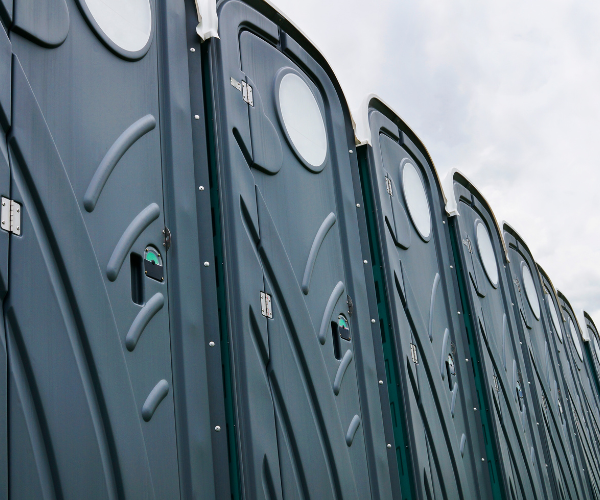
Over 30 Years of Experience
For over 30 years, we have proudly served Allendale County, unwavering in our commitment to quality and community. Our deep local connections demonstrate our dedication to delivering impeccable service and fostering enduring relationships.
Unmatched Quality Service
Discover unmatched service through our portable toilet solutions, which maintain exceptional cleanliness and functionality. We emphasize customer satisfaction by providing dependable sanitation options customized to your needs.
Rapid, Reliable Delivery
Benefit from our swift delivery services, ensuring your portable toilet rentals arrive promptly and ready for use. Our efficient team prioritizes your timeline, ensuring no delays in your event or project.
Call for a Free Quote Today
(762) 716-4705
Choose our locally owned and operated portable toilet company for all your sanitation needs in Allendale County and surrounding areas. Boasting a reputation for reliability and dependability, we excel in providing top-notch services for various events like construction sites, parties, festivals, and weddings. Our commitment to customer satisfaction and timely delivery sets us apart, ensuring your event is equipped with clean and efficient facilities. By prioritizing hygiene and comfort, we make sure every patron experiences the highest standard of portable sanitation. Trust us to enhance your event with our comprehensive services and attention to detail, creating a seamless and worry-free experience. From small gatherings to large festivals, our range of portable sanitation options is unrivaled in the region.
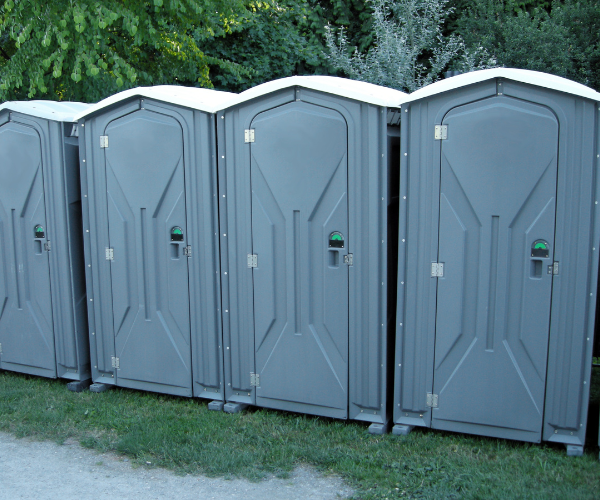
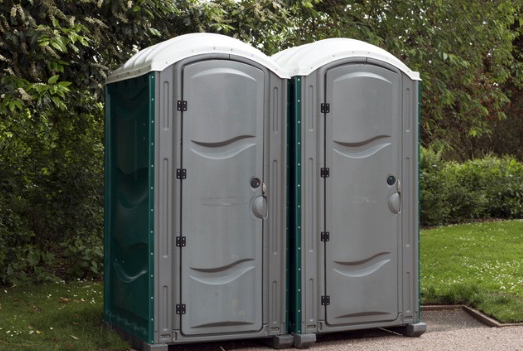
Our standard porta john rental units are durable and reliable for any commercial build site, housing development, public works project, or remodel job.Features include dome lighting, grated floors, and an “In-Use” locking mechanism for privacy and comfort. Regularly maintained, inspected, and cleaned by FusionSite at your location.
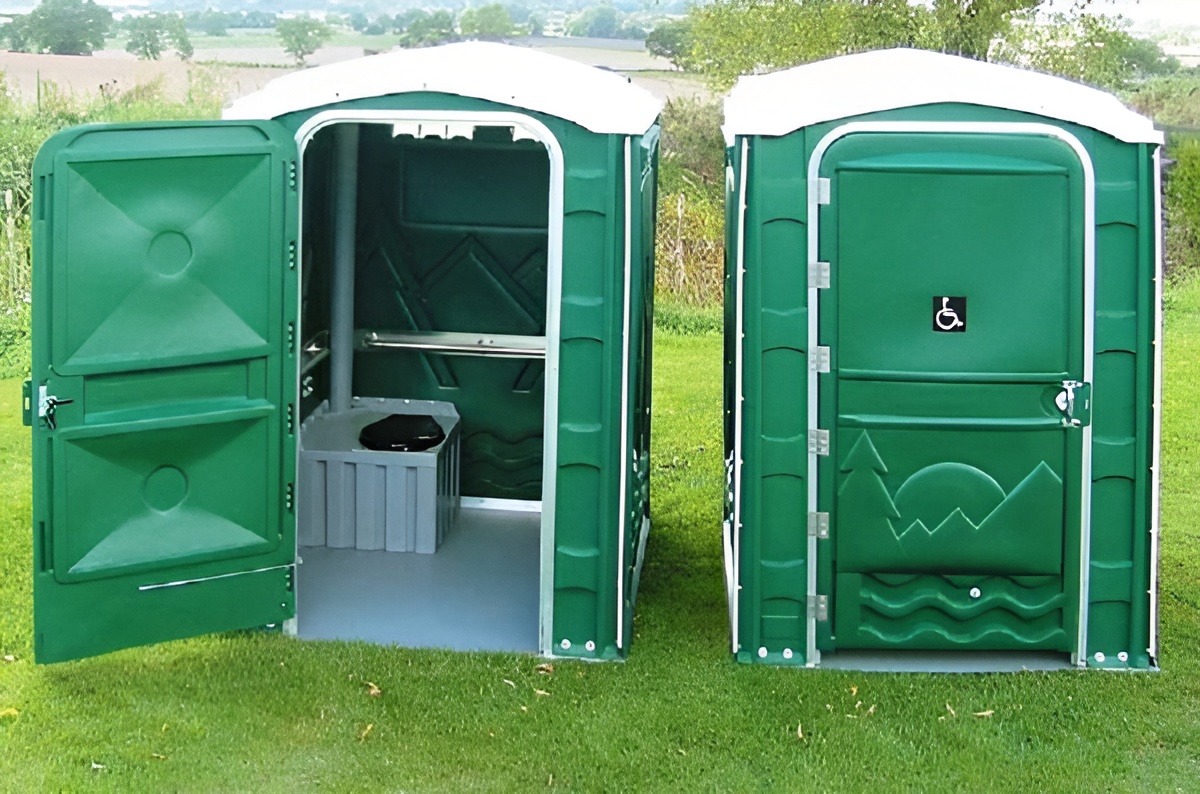
Developed as an alternative to full ADA-compliant restrooms, the Liberty is a spacious, wheelchair-accessible unit that can also be promoted as a family-sized restroom. Includes a patented flat-floor system for easy wheelchair access and maneuverability.Handrails, paper holder, and rotary latch are designed for simple, intuitive end-user operation.
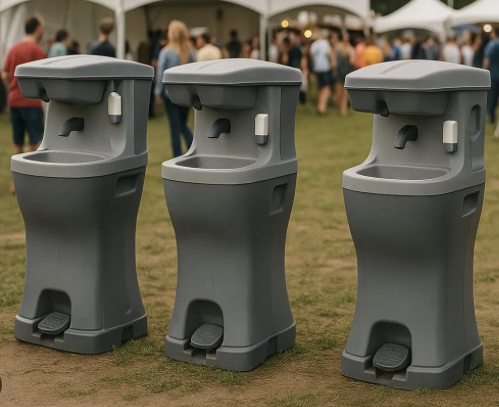
Portable hand washing stations are essential for keeping your work site sanitary and clean. Features hands-free foot pumps, liquid soap, and paper towels.Perfect for job sites without water hookups, these units can handle hundreds of washes between services.
We Proudly Serve
Standard Portable Toilets
Our Standard Portable Toilets offer clean and essential sanitation solutions for any event in South Carolina.
High Rise Portable Toilets
High Rise Portable Toilets in Allendale County provide safe and accessible restroom facilities for construction sites.
Restroom Trailers
Restroom Trailers in Allendale County ensure luxury and convenience for all your event needs with Portable Services.
Roll off Dumpsters
Roll off Dumpsters from Portable Services in Allendale County offer efficient waste management solutions for any project.
Septic Tank Cleaning
Trust our Septic Tank Cleaning service in South Carolina to keep your systems efficient and hassle-free.
Grease Trap Cleaning
Expert Grease Trap Cleaning services in Allendale County, South Carolina, keep your systems functioning optimally.
Fencing & Barricades
Fencing & Barricades by Portable Services provide secure and versatile site solutions across South Carolina.
Residential Storage
Portable Services in Allendale County offer Residential Storage solutions that ensure safety and accessibility.
Allendale County Portable Toilet Services
Obtaining a quote and arranging delivery for a portable toilet in Allendale County is a straightforward process, designed with customer convenience in mind. Simply visit our website and fill in the necessary details at the top or bottom of the page. You'll find easy-to-use forms that require your first name, last name, phone number, and email address. After submitting your information, one of our service representatives will connect with you swiftly to ensure your requirements are fully understood and met. Throughout our online forms, you can also click on the 'Get A Quote' buttons available on various pages. This instant access speeds up your inquiry so you can receive a detailed quote promptly without the wait. Our team is dedicated to providing fast and efficient services, ensuring that whether for a construction project or an upcoming event, we have you covered. Knowing all the ins and outs of event planning, rest assured that our delivery services are designed to accommodate your schedules meticulously.

Explore the unique allure of Allendale County with our exceptional portable toilet services. Nestled beside the scenic Savannah River, this area also hosts the vibrant Allendale County Cooter Fest, bustling with outdoor attractions and community events. Clean and reliable facilities are essential, and our portable toilets seamlessly adapt to any occasion, offering comfort and convenience to every guest. Enhance your outdoor experiences in Allendale with our top-rated portable toilets, perfectly designed for the county's rich landscapes and activities. Whether you're planning a festival, wedding, or corporate gathering, our expertly maintained units ensure hygiene and comfort, featuring modern amenities tailored to the community's needs. Opting for our services guarantees quality and satisfaction, elevating any event in the heart of Allendale County. With prompt delivery and meticulous upkeep, we stand as your trusted partner in providing dependable sanitation solutions.
Our top-rated portable toilets stand out as the best in Allendale County for countless reasons. With a keen understanding of the local community's needs, we provide customized sanitation solutions that fit every occasion. Our exemplary customer service and consistently reliable units bring peace of mind for any event.We pride ourselves on being locally-focused, operating with a team who knows the area inside out, ensuring smooth logistics and prompt responses to inquiries. Trust in our experience and dedication to enhance the cleanliness and comfort of your event, solidifying our position as Allendale's preferred portable toilet provider.
Experience fast and reliable portable toilet services throughout Allendale County, offering you the benefits of our proven operational efficiency. We focus on swift turnaround and punctual delivery, ensuring units are ready exactly when and where you need them.Our team commits to maintaining exemplary service standards, providing clean, functional facilities that enhance sanitation at your event or project. Trust our expertise in the area to deliver prompt, customized solutions that ensure every attendee remains comfortable and well-cared for.
Allendale County Portable Toilet Insights
Renting a portable toilet in Allendale County is a straightforward process designed to get you set up quickly and efficiently. Start by visiting our company website, where you'll find user-friendly forms at both the top and bottom of the page. These forms are designed to capture all the necessary details for your rental order. Simply click on the 'Get a Quote' button, conveniently located throughout our webpages, to have your request dispatched to our team promptly. Each form asks you to enter your first name, last name, phone number, and email address, ensuring we have all the correct contact details to follow up with you. After you've submitted the form, our dedicated customer service representatives will contact you to finalize your order details, answer any questions you may have, and confirm the availability and pricing of our units based on your specific needs. Throughout the process, our team prioritizes transparency and communication, ensuring you're informed every step of the way. Whether you need portable sanitation for a construction site, a large event like a festival, or a more intimate gathering such as a wedding, our experienced staff is ready to accommodate all your requirements. We offer flexible rental periods, taking into account the unique demands and timing of your project or event. Affordable pricing and timely delivery are key benefits we offer, ensuring you receive top-notch service without hassle or delay. Trust our local expertise and attention to detail to provide an optimal sanitation solution tailored to your specific event or project.
When it comes to arranging delivery for portable toilet orders, we pride ourselves on offering fast and reliable services tailored to meet the dynamic needs of our clients. Typically, the delivery timeframe for our portable toilets ranges from 24 to 48 hours after the completion of your booking. However, the exact timeline can vary depending on your location within Allendale County, the volume of orders we are processing at any given moment, and any specific requirements you may have outlined during the reservation process. Prior to confirming each order, our team will work with you to establish a convenient and precise delivery schedule, taking into account the specific demands of your event or construction site timeline. Our professional delivery personnel ensure that each portable toilet arrives promptly on site, meticulously set up for immediate use. Additionally, the flexibility in our delivery service means that for last-minute requests or urgent needs, we strive to accommodate whenever possible, reflecting our commitment to exceptional customer service. Our extensive experience in planning logistics for portable sanitation rentals allows us to anticipate potential challenges and bolster our delivery effectiveness. Upon delivery, our team offers a thorough walkthrough of each unit's functionality, ensuring you are comfortable with its use and addressing any questions you may have. By entrusting your portable toilet needs with us, you are guaranteed seamless and stress-free logistic management, permitting you to focus on other critical components of your event or project.
Yes, we can service any type of event or construction services with the utmost expertise and tailored solutions to meet diverse sanitation needs. From grand festivals and bustling sporting events to intimate weddings and corporate functions, our dynamic range of portable units is suitable for any occasion. As well as portable toilets, we offer luxury restroom trailers for upscale events, ensuring guests experience maximum comfort and convenience. In support of construction projects, our porta-potties and robust roll-off dumpsters are perfect for managing site waste efficiently, maintaining clean and organized areas for workers. Our comprehensive site services extend beyond sanitation, featuring fencing and barricades, holding tanks, ADA-compliant units, as well as portable sinks and hand sanitizer stations. This versatility allows us to adapt our offerings to the specific requirements and scale of your event or project. Driven by a commitment to exceptional service, our trained team ensures everything on site runs smoothly, with meticulous attention given to maintenance during the rental period. Each unit undergoes thorough cleaning and disinfection before delivery and is regularly serviced as needed to maintain high hygiene standards. Whether it's a large public gathering or a small private celebration, rest assured we have the expertise and resources to deliver top-tier portable sanitation solutions that integrate seamlessly into your planning efforts. Choose us as your trusted provider, and you'll enjoy reliable, hassle-free services from booking through to pick-up, reinforcing our status as a leading provider of portable sanitation solutions.