Choosing a Portable Toilet over constructing permanent restroom facilities offers numerous eco-friendly advantages. One significant benefit is the reduction in water usage; portable toilets use significantly less water than conventional flush toilets, thereby conserving this valuable resource. This is especially compelling when placed in water-scarce regions or, for events where water supply lines are limited. Additionally, the modern portable toilet is designed with environmental sustainability in mind. The specialized chemicals used for treating waste are selected for their efficacy and biodegradability, ensuring that waste is processed in a manner that minimizes harm to the environment. These chemicals break down waste materials efficiently, reducing potential ground contamination. Another key advantage is that the construction of portable toilets utilizes materials and construction methods that have a reduced environmental impact compared to permanent structures. Lightweight and composed of recycled materials, they can be manufactured and transported with a smaller carbon footprint. Furthermore, the mobility of portable toilets means they can be strategically placed and removed with minimal disruption to the natural environment. Once removed, areas where portable toilets were used can quickly revert to their natural state, a process that contrasts with more permanent facilities which often require significant ecological disruption. Finally, the adoption of portable toilets can contribute to reducing human impact in natural settings, such as parks or rural events. By centralizing waste collection and removal, they prevent widespread contamination of the surrounding area. The use of such portable solutions can also convey a commitment by hosts and organizers to environmental responsibility, aligning with the values of increasingly eco-conscious participants.

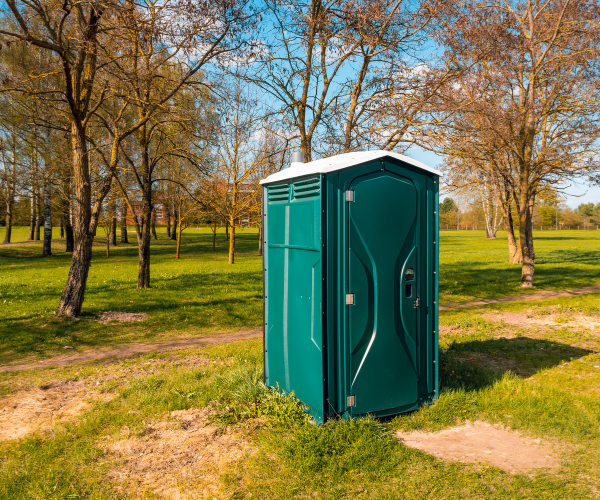
Portable Toilet Rentals in Beech Island, South Carolina
Call today for a free quote (762) 716-4705
Portable Toilet
Fast, Easy, & 100% Free To Get Started
Over 30 Years Experience
Since 1989, our company has delivered top-notch portable toilet solutions, bringing over 30 years of experience to Beech Island. We take pride in our deep community connections and relentless dedication to surpassing customer expectations.
Unmatched Quality Service
Our commitment to quality service ensures that each portable toilet unit is meticulously maintained and delivered on time. We focus on customer satisfaction, offering reliable and hygienic solutions tailored to your event's needs.
Fast and Reliable Delivery
Discover how quickly and efficiently our Portable Toilet services can accommodate your needs. We ensure swift setup at your site, positioning us as the top choice for both urgent and planned rentals.
Top Portable Toilet Services in Beech Island
Call for a Free Quote Today
(762) 716-4705
Based in the heart of Beech Island, our portable toilet company stands committed to reliability, local ownership, and top-tier service. Proudly serving not only Beech Island but also the surrounding areas, we provide exceptional support for construction sites, parties, festivals, and weddings. Our dedicated team delivers clean, high-quality portable restrooms tailored to your event's specific needs. Count on us for timely delivery and meticulous maintenance to ensure sanitation throughout your occasion. With years of industry experience, our clients value our unwavering commitment to excellence and satisfaction. From large-scale festivals to intimate backyard weddings, we offer ideal portable restroom solutions to enhance guest comfort with our premium service.
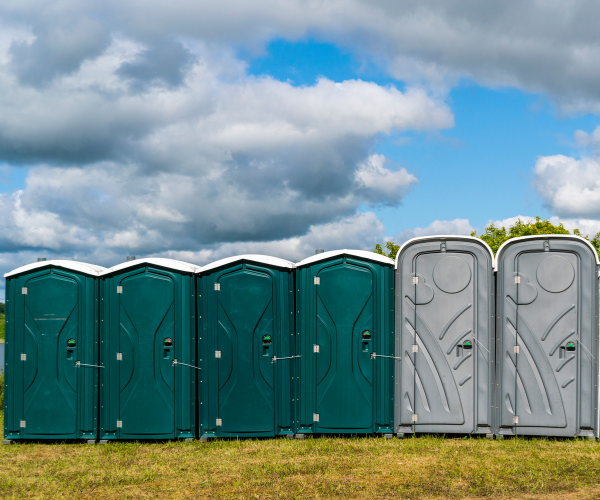
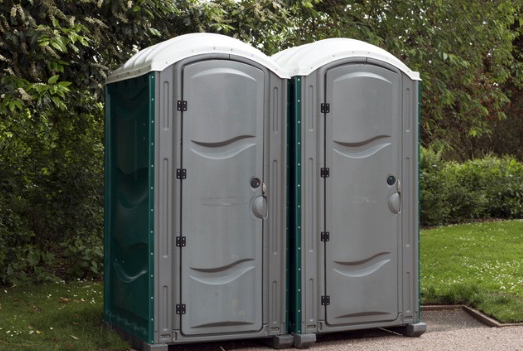
Our standard porta john rental units are durable and reliable for any commercial build site, housing development, public works project, or remodel job.Features include dome lighting, grated floors, and an “In-Use” locking mechanism for privacy and comfort. Regularly maintained, inspected, and cleaned by FusionSite at your location.
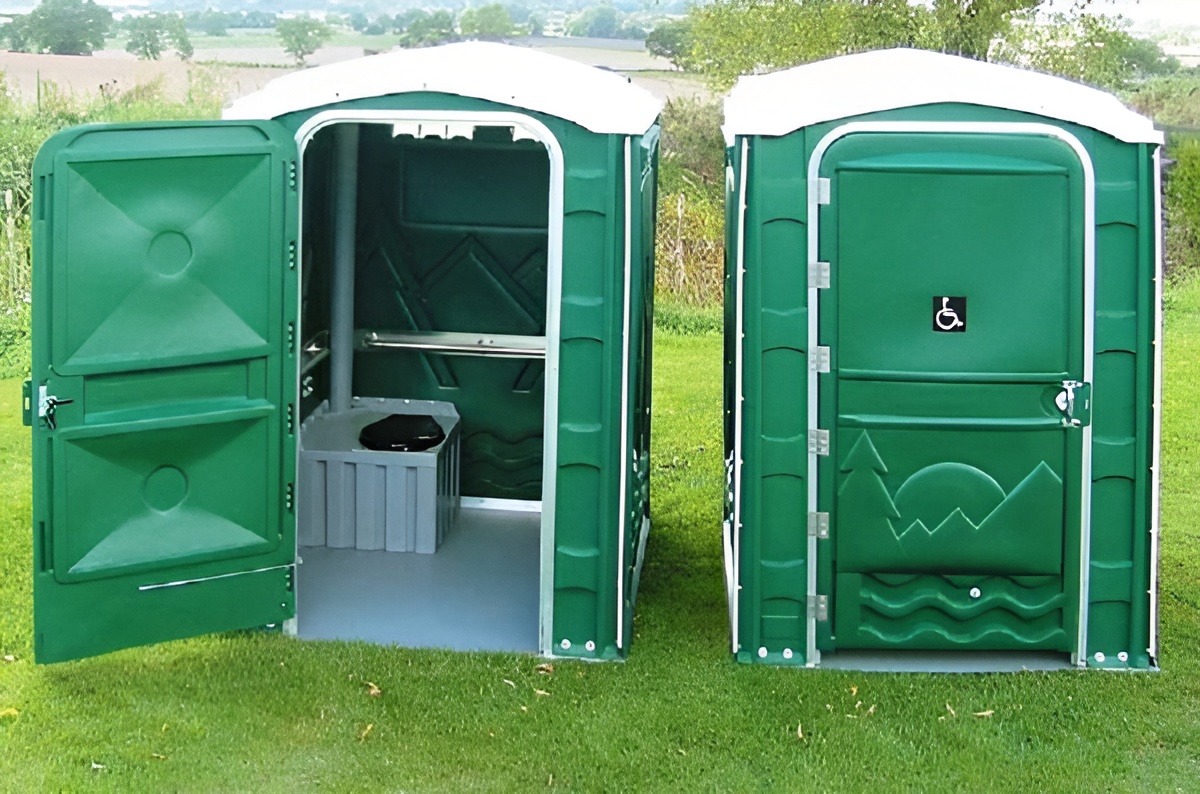
Developed as an alternative to full ADA-compliant restrooms, the Liberty is a spacious, wheelchair-accessible unit that can also be promoted as a family-sized restroom. Includes a patented flat-floor system for easy wheelchair access and maneuverability.Handrails, paper holder, and rotary latch are designed for simple, intuitive end-user operation.
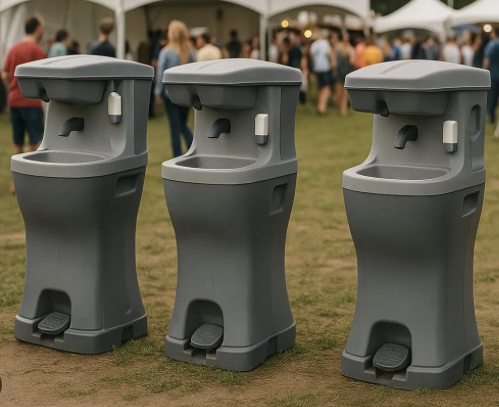
Portable hand washing stations are essential for keeping your work site sanitary and clean. Features hands-free foot pumps, liquid soap, and paper towels.Perfect for job sites without water hookups, these units can handle hundreds of washes between services.
We Proudly Serve
Standard Portable Toilets
Our Standard Portable Toilets offer reliable sanitation for events and work sites across South Carolina.
High Rise Portable Toilets
High Rise Portable Toilets in Beech Island ensure accessibility for high-altitude projects efficiently and safely.
Restroom Trailers
Restroom Trailers in Beech Island provide luxurious mobile bathrooms for upscale gatherings.
Roll off Dumpsters
Roll-off Dumpsters at Portable Services, Beech Island, offer unmatched waste disposal solutions.
Septic Tank Cleaning
Our Septic Tank Cleaning in South Carolina ensures sanitation systems remain efficient and reliable.
Grease Trap Cleaning
Grease Trap Cleaning services in Beech Island optimize kitchen waste systems for hygiene and efficiency.
Fencing & Barricades
Our Fencing & Barricades service in South Carolina provides essential site security and management solutions.
Residential Storage
Residential Storage in Beech Island offers secure and convenient space solutions for personal possessions.
Beech Island Portable Sanitation Solutions
Obtaining a quote and scheduling delivery for our Portable Toilet services is designed to be a seamless process. Our user-friendly website features 'Get A Quote' buttons conveniently placed throughout, allowing potential clients to quickly access the necessary forms located at the top and bottom of the page. By simply providing your first name, last name, phone number, and email, you can easily submit a quote request for your project or event requirements. Once the information is submitted, our professional team promptly reviews the details, ensuring an accurate and competitive quote tailored to your specific needs. We understand the importance of timely service, particularly for events with strict schedules or construction projects that demand immediate attention. That's why we have optimized our systems to provide fast responses and follow-up communication. Our delivery service extends throughout Beech Island and the surrounding areas, ensuring that no matter where your event or site is located, portable restroom solutions arrive on time. Our dedicated logistics team coordinates closely with our fleet to maintain precise delivery and pickup timelines, taking into account traffic, road conditions, and site accessibility. Portable Service, Inc. takes great pride in offering not only exceptional products but also exemplary customer service. Each rental is managed with a focus on client satisfaction, reliability, and our commitment to providing quality sanitation solutions that enhance any gathering or work environment. Say goodbye to the hassle of coordinating essential facilities for your function. With our straightforward quoting process and dependable delivery service, you can confidently plan your next event knowing that your portable sanitation needs are in expert hands.
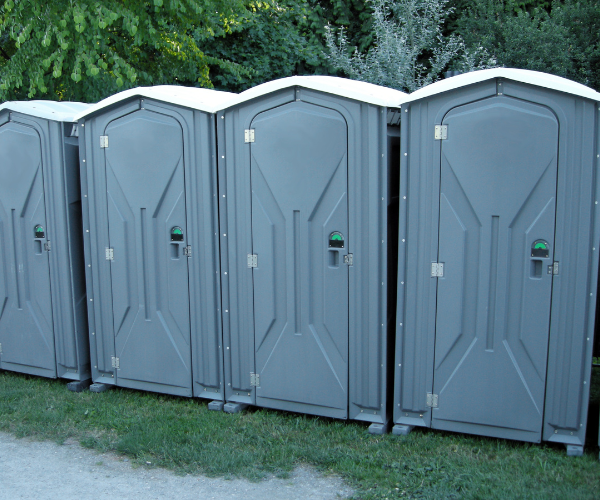
Capture the essence of Beech Island's local charm with our premier Portable Toilet services, designed to enhance any outdoor attraction or community event. Whether your gathering is nestled amidst the island's rich natural beauty or you're celebrating at the Redcliffe Plantation State Historic Site, our clean and convenient portable restrooms cater to your unique needs. Our portable toilets are more than a convenience; they're a commitment to quality service that contributes to the overall success of your occasion. Their durable design and aesthetic appeal ensure seamless integration into the ambiance of weddings, festivals, and other significant events. As a locally trusted service provider, our offerings add substantial value to any event in Beech Island, providing reliable and efficient sanitation solutions. Whether by adding convenience during a busy weekend festival or enhancing the comfort of family reunions, let our portable restrooms be a part of your Beech Island experience, especially during the annual Beech Island Heritage Day.
Located right at the heart of Beech Island, our company stands as the best choice for Portable Toilet services. Our solid reputation is built on exceptional standards and a deep connection with the local community, ensuring every client receives tailored solutions that perfectly fit the region's diverse needs. Experience seamless service that capitalizes on our local expertise, enabling us to provide prompt and precise delivery across Beech Island. Our units are modern, hygienic, and designed with user comfort in mind, making us the preferred partner for enhancing events with superior sanitation solutions. Your satisfaction is our priority, reflected in every aspect of our service from easily navigable quotes to timely set-up and takedown. Trust us to contribute positively to your event or construction plans with reliable and adept portable toilet services.
Efficiency is at the core of our service, offering fast and reliable portable toilet services across Beech Island. Our priority is to ensure that our well-maintained units are delivered promptly, accommodating even the most demanding schedules with precision. Our experienced logistics team coordinates closely with clients to ascertain site access and delivery times, guaranteeing minimal disruption and maximum convenience. Whether it's a large event or a small construction site, we commit to providing exceptional service you can count on. Choose us for a hassle-free experience, where professionalism drives every delivery, setup, and retrieval. Our portable sanitation solutions are designed to keep your projects and celebrations flowing smoothly, ensuring satisfaction every step of the way.
Learn More About Our Beech Island Portable Toilet
Renting a Portable Toilet in Beech Island is a straightforward process that can be completed through our user-friendly website interface. Begin by navigating to either the 'Get A Quote' buttons prominently displayed at various points on each page or scroll to the top or bottom of the site to fill out our contact form. To enable us to serve you efficiently, please provide essential details, including your first name, last name, phone number, and email address. This information allows our dedicated team to prepare a customized quote and ensure precise, reliable service tailored to your project or event's requirements. Once your inquiry is submitted, our team processes it promptly, aiming to respond with a competitive quote that reflects your specific needs. This will include information on our comprehensive range of portable sanitation options, along with any additional services you might require, such as delivery and setup logistics. Should you wish to affirm your booking or discuss further details, our customer support team is readily available to assist you. We encourage potential customers to communicate any special requirements or constraints, allowing us to tailor our solutions for ultimate satisfaction. Our streamlined renting process ensures that from inquiry to post-delivery, your experience is seamless and professional. Portable Services, Inc., is committed to ensuring that your sanitation solutions are equipped to enhance the success of your events or projects while maintaining the highest service standards. Contact us today and discover how our portable restroom rentals can elevate your Beech Island event with minimalist fuss but maximal quality.
Understanding the urgency of some of our clients' needs, we prioritize a delivery timeframe that is both flexible and rapid. Typically, our portable toilet rentals are ready to be delivered within 24 to 48 hours of an order being confirmed, though this can vary based on the scope of the demand and specific logistical considerations unique to each location. For event planners or project managers who require urgent setups, our express service can facilitate shorter lead times. Once you confirm your rental, our team works diligently to ensure timely delivery, coordinating with you on the best approach for site accessibility and unit deployment. If you have complex logistical requirements, such as challenging access scenarios at construction sites or unique event layouts, our logistics experts can assist you in formulating an efficient drop-off and pickup schedule. This personalized approach ensures minimal disruption and prioritizes your project's timeline. During peak periods, such as festival season or busy construction months, we advise early bookings to secure priority delivery slots. Regardless of timing, our commitment to customer service excellence means we continually strive to exceed expectations, providing reliable delivery assurances you can depend on. With our dedicated fleet and experienced staff, you can count on Portable Services to provide prompt and trustworthy delivery, enhancing the guest experience or project conditions with seamless, professionally managed portable toilet services.
Yes, we are equipped to service all types of events and construction services with expertise and reliability. Our offerings include luxury restroom trailers suitable for upscale weddings and corporate events, as well as standard porta potties ideal for festivals, sport events, or family reunions. We recognize the diverse requirements of each occasion, which is why we provide a broad range of sanitation solutions including roll-off dumpsters, fencing and barricades, holding tanks, ADA-compliant units, and portable sinks and hand sanitizer stations. Our extensive inventory allows us to cater to both small and large gatherings, ensuring each is equipped with reliable and sanitary facilities. Whether your need is for temporary setups at long-term construction projects or quick installations for community gatherings, our team possesses the experience and resources to manage deployments efficiently. Our flexible rental terms and competitive pricing also ensure that our solutions fit comfortably within your budget while maintaining the highest standards of hygiene and functionality. At Portable Services, we are driven by a commitment to excellence, allowing us to cater to a spectrum of event styles and construction needs. Partner with us to experience superior service that elevates your occasion with professionalism and care.