Portable toilets offer significant eco-friendly advantages, making them a preferred choice for events and construction projects. First, they significantly reduce water usage compared to traditional restrooms, conserving this precious resource. Unlike permanent facilities that can consume vast amounts of water for flushing, portable toilets require little to no direct water supply, often using eco-friendly, biodegradable chemicals to manage waste effectively. Moreover, portable toilets are designed to be non-permanent structures, ensuring minimal impact on the environment during set-up and removal. These units are typically constructed from recyclable materials, further reducing their ecological footprint. The waste collected in portable toilets is disposed of at treatment facilities, ensuring it undergoes proper processing and doesn't harm the environment. Additionally, employing portable toilets on construction sites or large events reduces the need for new infrastructure, preserving land and habitat that would otherwise be developed. Their easy mobility allows for strategic placement, minimizing soil disruption and erosion. In urban areas or locations with limited sewage capacities, portable toilets relieve potential strain on local waste systems, preventing overflows and contamination. They also mitigate pollution from improper waste disposal, contributing to better local air and soil quality. Finally, portable toilets can be equipped with additional eco-friendly features, like solar lighting and handwashing stations that encourage minimal water usage, making them even more sustainable. By choosing portable toilets, you support cleaner, greener practices that prioritize the well-being of the planet.

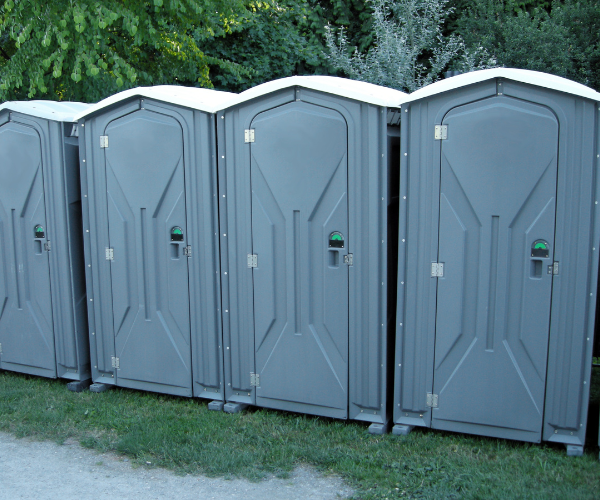
Portable Toilet Rentals in Denmark, South Carolina
Call today for a free quote (762) 716-4705
Portable Toilet
Fast, Easy, & 100% Free To Get Started
Over 30 Years of Experience
For over 30 years, we've proudly delivered dedicated and quality service to Denmark. Our strong community ties enable us to offer personalized care, while our unwavering commitment to excellence ensures reliable, high-standard sanitation solutions.
Exceptional Quality Service
We pride ourselves on delivering high-quality portable toilets with unmatched customer service. Our commitment to cleanliness and dependability makes us the preferred choice for sanitation solutions.
Swift and Reliable Delivery
Our efficient delivery team ensures that your portable toilets arrive on time, every time. Experience unparalleled service with quick response times and hassle-free setup.
Reliable Portable Toilet Solutions in Denmark
Call for a Free Quote Today
(762) 716-4705
Based in Denmark, South Carolina, our portable toilet company delivers reliable and dependable sanitation solutions tailored to your needs. As a locally owned business, we are committed to our community and pride ourselves on our reliability. We offer high-quality sanitation services to neighboring areas, catering to events of all sizes, from construction sites and parties to festivals and weddings. Our dedicated team ensures each unit is meticulously maintained and punctually delivered, giving you peace of mind for any event. Experience our professional and customer-focused service today.
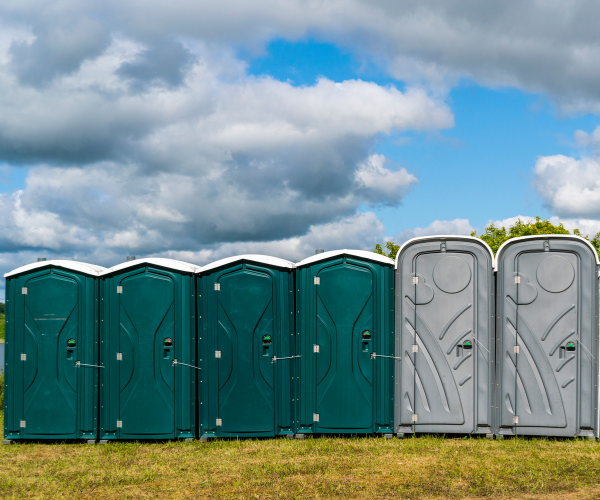
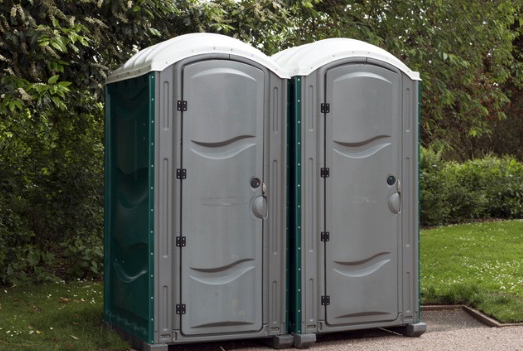
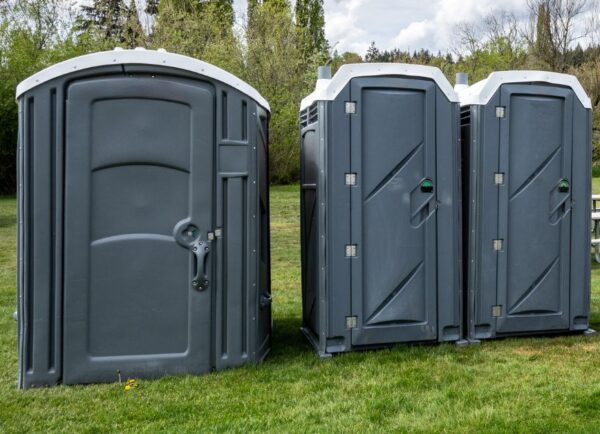
Our standard porta john rental units are durable and reliable for any commercial build site, housing development, public works project, or remodel job.Features include dome lighting, grated floors, and an “In-Use” locking mechanism for privacy and comfort. Regularly maintained, inspected, and cleaned by FusionSite at your location.
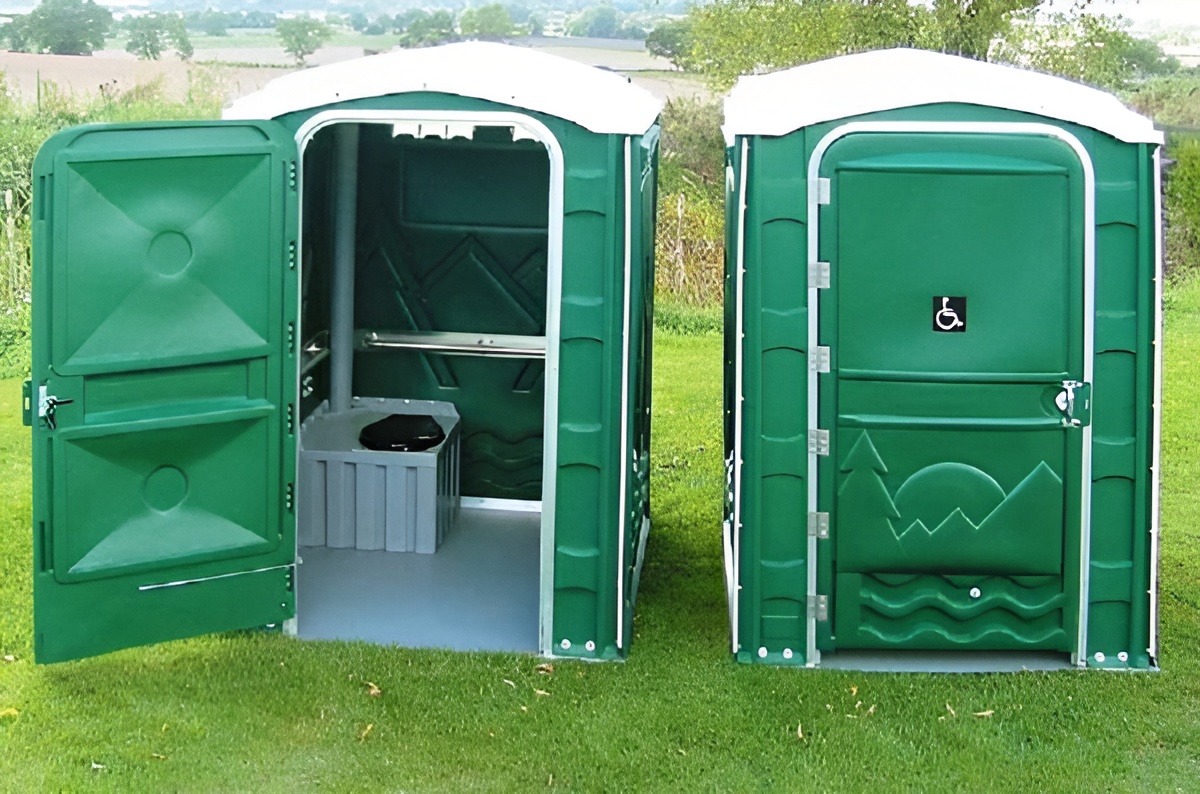
Developed as an alternative to full ADA-compliant restrooms, the Liberty is a spacious, wheelchair-accessible unit that can also be promoted as a family-sized restroom. Includes a patented flat-floor system for easy wheelchair access and maneuverability.Handrails, paper holder, and rotary latch are designed for simple, intuitive end-user operation.
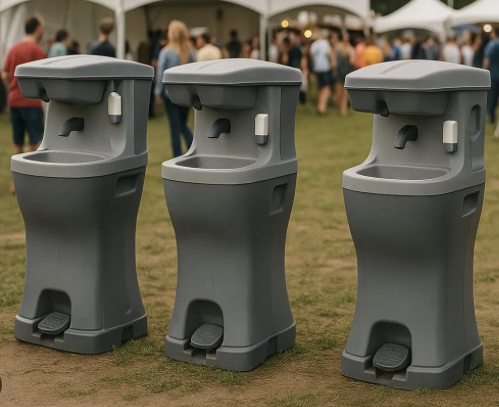
Portable hand washing stations are essential for keeping your work site sanitary and clean. Features hands-free foot pumps, liquid soap, and paper towels.Perfect for job sites without water hookups, these units can handle hundreds of washes between services.
We Proudly Serve
Standard Portable Toilets
Our Standard Portable Toilets in South Carolina provide essential sanitation with robust features for any outdoor event.
High Rise Portable Toilets
High Rise Portable Toilets in Denmark are engineered to accommodate construction projects with ease and efficiency.
Restroom Trailers
Restroom Trailers in Denmark deliver spacious and luxurious facilities, perfect for any prestigious event.
Roll off Dumpsters
Roll-off Dumpsters in Denmark offer efficient waste management to keep sites clean and compliant.
Septic Tank Cleaning
Professional Septic Tank Cleaning in South Carolina enhances sanitation efficiency and system longevity.
Grease Trap Cleaning
Our Grease Trap Cleaning service in Denmark, South Carolina helps maintain hygiene and meet local regulations.
Fencing & Barricades
Secure Fencing & Barricades in South Carolina from Portable Services ensure site safety and crowd control.
Residential Storage
Residential Storage in Denmark provides secure, accessible, and convenient solutions for your belongings.
Denmark Sanitation Solutions
Getting a quote and arranging delivery for our portable toilets is both convenient and straightforward. Simply use the forms located at the top and bottom of our pages, or click the Get A Quote buttons throughout our site. By filling in your basic contact information—first name, last name, phone number, and email—you can quickly receive a tailored quote. Our process is designed to be efficient, ensuring you spend less time waiting and more time planning your event or project. Once you've submitted your request, our team will review the details and provide a precise and competitive quote promptly. We understand the urgency of these needs and pride ourselves on our quick turnaround times. Delivery is arranged at your convenience, with flexible scheduling options to fit your agenda. Experience a seamless rental process, adapting effortlessly to your requirements without unnecessary stress.
Discover the charm of Denmark, where community and nature converge beautifully, creating an ideal setting for any event. Our portable toilets play a vital role in this blend, offering hygienic, reliable sanitation solutions, whether it's during the vibrant Dogwood Festival or on the scenic grounds of Voorhees College. These local attractions and events are enhanced by our services, ensuring guest comfort and satisfaction. Whether you’re hosting a festival, wedding, or private gathering, our portable toilets help maintain the pristine environment Denmark is famous for. With clean and dependable units, we make hosting an event stress-free. Trust in our commitment to the community and experience services tailored to meet the unique needs of this vibrant region.
Our company stands out as the best choice in Denmark due to our robust community ties and unwavering dedication to quality. As a locally rooted business, we understand the needs of our area and deliver top-notch portable sanitation solutions. Our services are renowned for reliability and attentiveness, allowing you to focus on your event without concern. Choose us for an unmatched combination of experience, professionalism, and community-centric service that enhances any occasion.
Our skilled team delivers fast and reliable portable toilet services honed by decades of experience. Timeliness defines us, with efficient processes ensuring quick delivery and setup. When reliability is crucial, our dedicated professionals provide smooth service, making a typically challenging task effortless. Partner with us for trusted sanitation solutions focused on convenience and customer satisfaction.
Explore Our Portable Toilets in Denmark
Renting a portable toilet in Denmark is straightforward and convenient with our easy-to-use system. Start by visiting our website where you'll find forms located at the top and bottom of the page, or simply click the 'Get A Quote' buttons. These tools are designed to guide you seamlessly through the process, providing clear instructions on what information is needed. To initiate your rental request, you'll need to provide your first name, last name, phone number, and email address. This essential contact information allows our dedicated team to tailor a solution specifically for your needs and reach out for any further details. Upon submission, our team evaluates your request promptly, ensuring a swift response. We take pride in our quick turnaround times to accommodate your event or project schedules. Contact us today for a reliable and efficient rental experience, perfectly suited to Denmark and its environs.
Our typical delivery timeframe for portable toilet orders is designed to be fast and accommodating, ensuring that your sanitation needs are met efficiently. Once an order is placed, our team begins immediate coordination to deliver your units in as little time as possible, without sacrificing quality. For standard deliveries, you can expect your portable toilets to arrive within one to two business days, depending on location and existing demand. However, we also offer expedited services for urgent requests, appreciating the tight schedules of events and construction projects. If your order includes a significant number of units or requires custom setups, delivery may take slightly longer, ranging from three to five business days. Upon placing your order, we keep you informed every step of the way. Our team provides clear communication regarding dispatch timeframes and expected delivery dates, so you have complete confidence and peace of mind. Local orders in and around Denmark, South Carolina are often given priority through our efficient logistics planning, maximizing distribution accuracy and speed. We advise placing orders well in advance, particularly during peak seasons or for large-scale events, to ensure availability and optimal delivery slots. Our commitment to timely and precise service guarantees your satisfaction, supporting your successful project or occasion.
Yes, we can service any type of event or construction service with our comprehensive range of portable sanitation solutions. Our offerings cater to festivals, sporting events, weddings, corporate gatherings, family reunions, and other special occasions, providing everything you need to ensure guest comfort and sanitation compliance. We have a variety of luxury restroom trailers, standard porta potties, and specialized options like ADA-compliant units, portable sinks, and hand sanitizer stations. Each of these is meticulously maintained to ensure top performance. For construction sites, we provide robust and reliable temporary restroom facilities tailored to meet the tough demands of ongoing projects. These units can withstand harsh weather conditions and heavy use, maintaining hygiene and convenience for your workforce. Our service extends beyond just toilets. We offer roll-off dumpsters for effective waste management, fencing and barricades for crowd control and site security, and water holding tanks to support various functions on site. Every solution is fully customizable, allowing you to select the perfect combination of facilities for your event or project. With our seasoned team and resourceful logistics, we deliver exceptional service every time, proving we are both versatile and reliable in handling any requirement.