Portable toilets offer several eco-friendly advantages, making them an environmentally responsible choice for sanitation needs. Firstly, they significantly reduce the need for water compared to traditional flush toilets, using non-potable water and ensuring minimal water wastage. This conservation of water resources is a crucial benefit, especially in areas prone to water scarcity. Additionally, portable toilets are designed with waste management systems that ensure waste is contained and transported efficiently, reducing the risk of contamination to the surrounding environment. The collection and treatment processes used in conjunction with portable toilets prevent harmful pathogens from entering ecosystems, thereby protecting local flora and fauna. Moreover, because portable toilets can be transported and serviced as needed, they limit the impact on local sewer systems and infrastructure, preventing overloads and minimizing required governmental resources for repairs and maintenance. Many modern portable toilets are also constructed from eco-friendly materials, which can be recycled or repurposed at the end of their lifecycle. This reduces the overall environmental footprint of their manufacture and use. Finally, for events and construction sites, using portable toilets prevents the habitat disruption that might occur if permanent restroom facilities needed to be built, thus maintaining the natural landscape. Overall, the eco-friendly advantages of portable toilets reflect a holistic commitment to sustainability, making them ideally suited for conscious consumers and organizations.

Portable Toilet Rentals in Lincoln County, Georgia
Call today for a free quote (762) 716-4705
Portable Toilet
Fast, Easy, & 100% Free To Get Started
Over 30 Years of Expertise
With over 30 years of experience, Portable Services, Inc. has proudly served Lincoln County with a steadfast commitment to quality and community. Our strong local ties and dedication to customer satisfaction have cemented our reputation as a trusted partner in portable sanitation solutions.
Commitment to Quality
Our service excellence is rooted in delivering the highest quality portable sanitation solutions. We take pride in our meticulous attention to detail, ensuring every unit meets our rigorous standards for cleanliness and reliability, providing you with the utmost confidence in our offerings.
Fast, Efficient Delivery
We ensure swift and reliable delivery of portable toilet rentals, guaranteeing your event or project proceeds without a hitch. Our prompt services highlight our commitment to surpassing customer expectations and our skill in meeting tight deadlines and addressing urgent requests.
Convenient Portable Toilet Solutions in Lincoln County
Call for a Free Quote Today
(762) 716-4705
Portable Services, Inc. in Lincoln County offers the most dependable portable toilet solutions tailored for all events, including construction sites, private parties, festivals, and weddings. Our company is locally owned, ensuring that we are always nearby for swift, reliable service. Known for our professionalism and consistency, we extend our exceptional services to surrounding areas. With a focus on quality, we guarantee clean and well-maintained units that enhance your event's sanitation standards. Let us provide you with hassle-free rentals and the peace of mind of working with a trusted local provider.
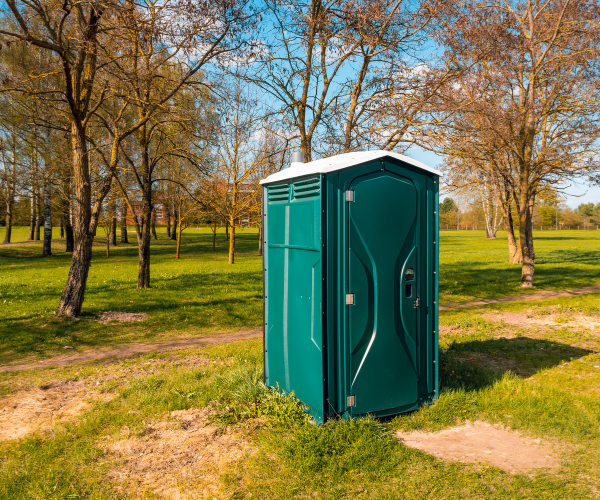
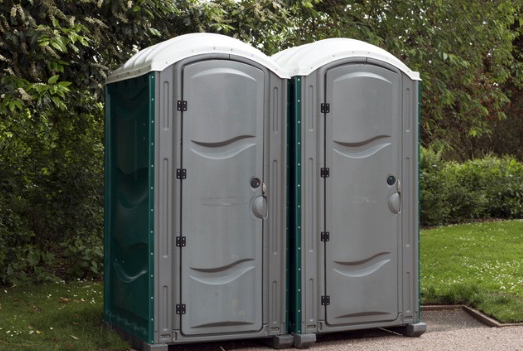
Our standard porta john rental units are durable and reliable for any commercial build site, housing development, public works project, or remodel job.Features include dome lighting, grated floors, and an “In-Use” locking mechanism for privacy and comfort. Regularly maintained, inspected, and cleaned by FusionSite at your location.
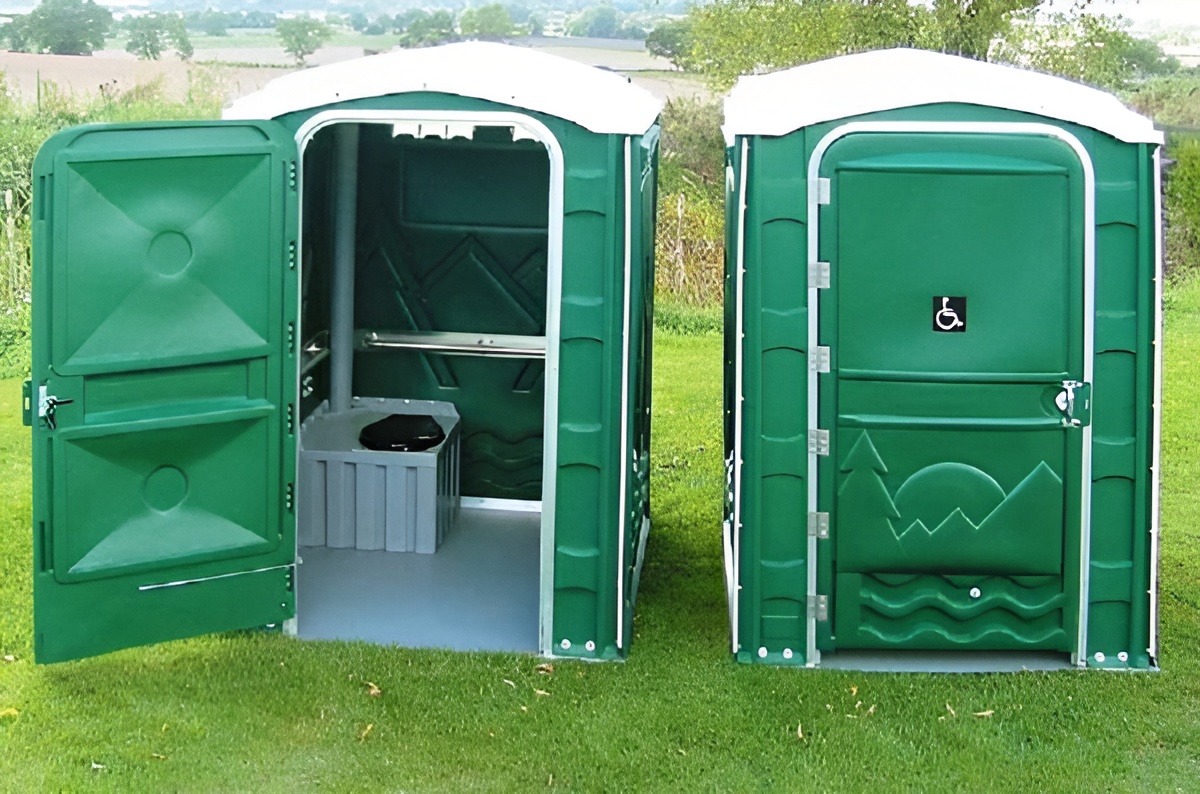
Developed as an alternative to full ADA-compliant restrooms, the Liberty is a spacious, wheelchair-accessible unit that can also be promoted as a family-sized restroom. Includes a patented flat-floor system for easy wheelchair access and maneuverability.Handrails, paper holder, and rotary latch are designed for simple, intuitive end-user operation.
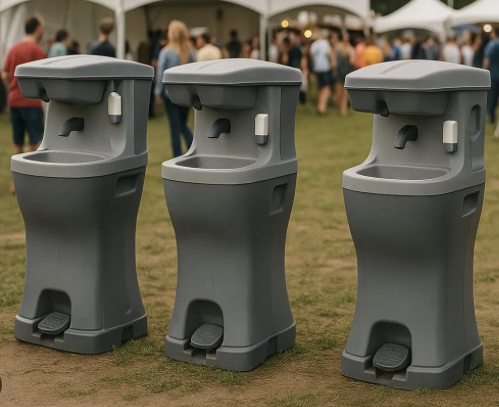
Portable hand washing stations are essential for keeping your work site sanitary and clean. Features hands-free foot pumps, liquid soap, and paper towels.Perfect for job sites without water hookups, these units can handle hundreds of washes between services.
We Proudly Serve
Standard Portable Toilets
Our standard portable toilets offer reliable, clean, and accessible sanitation solutions for various occasions in Georgia.
High Rise Portable Toilets
Specially designed for high rises, our portable toilets ensure clean and efficient sanitation solutions at any altitude in Lincoln County.
Restroom Trailers
Our restroom trailers provide spacious, fully-equipped restrooms for a luxurious experience at any event in Lincoln County.
Roll off Dumpsters
Offering robust and dependable roll-off dumpster services, we support efficient waste management in Lincoln County.
Septic Tank Cleaning
We deliver prompt and thorough septic tank cleaning services, crucial for maintaining your property's sanitation in Georgia.
Grease Trap Cleaning
Our grease trap cleaning service in Lincoln County ensures efficient waste processing while maintaining high sanitary standards.
Fencing & Barricades
Providing robust fencing and barricade options, we tailor installation to suit diverse needs across Georgia, safeguarding sites efficiently.
Residential Storage
Secure your belongings with our residential storage solutions, thoughtfully designed to meet storage needs in Lincoln County, Georgia.
Lincoln County Portable Toilet and Sanitation Services
Securing a quote and scheduling delivery for a portable toilet rental in Lincoln County has become more straightforward and convenient than ever. Our efficient process empowers you to manage your rental needs seamlessly, allowing you to focus on other critical aspects of your event or project. By clicking the prominently featured 'Get A Quote' button on our website, you can swiftly initiate your request. The form requires basic contact details like your first and last name, email, and phone number, enabling us to quickly furnish an accurate quote tailored to your specific needs. Our dedicated team stands ready to address any additional requirements or adjustments, ensuring our services perfectly align with your expectations. Once you approve the quote, our responsive logistics team springs into action, coordinating the prompt and secure delivery of portable toilets to your designated location. This reliability and simplicity offer peace of mind, knowing you've partnered with a service provider who values timeliness and professionalism as much as you do.
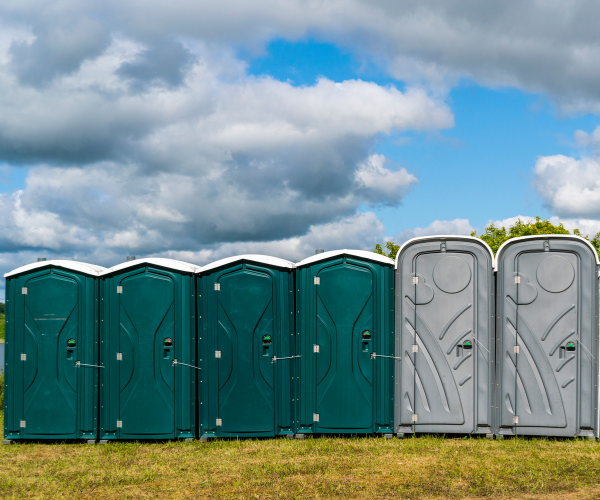
Enhancing outdoor events and local gatherings, our portable toilet rentals expertly combine convenience with utility. The picturesque landscapes and lively outdoor attractions of Lincoln County create an ideal setting for community events, festivals, and family functions. While exploring the scenic beauty near Elijah Clark State Park, rest assured that our products eliminate concerns about sanitation, providing comfort and hygiene that adhere to the highest standards. We recognize that Lincoln County’s unique charm and community spirit deserve high-quality service to match its hospitality. Our portable toilets are not mere rentals—they are amenities crafted to enrich your outdoor experiences. They are clean, reliable, and meticulously maintained, making them perfect for ensuring guest satisfaction at any occasion, from cozy family reunions to the bustling Lincoln County Pioneer Day festival. Trusting our portable toilet services means placing your event in the hands of a company dedicated to timely and dependable service. Our products are delivered with precision and managed with care by our skilled team, guaranteeing they arrive punctually and in pristine condition, ready to fulfill your sanitation needs throughout your event.
Locally Trusted Portable Toilet RentalsOur portable toilet services shine in Lincoln County, offering unmatched convenience and cleanliness. Dedicated to bringing comfort wherever it's needed, we take pride in knowing that every event we service benefits from our reliable units and attentive service mentality. Our locally-focused approach ensures that your needs are met with personal care, turning sanitation into a seamless experience.Why Choose UsWhat distinguishes us in Lincoln County is our steadfast commitment to being the best choice for your portable sanitation needs. Integrating our local knowledge with our client-first philosophy, we ensure exceptional service characterized by clean, dependable units and responsive support. Partner with us to experience the difference of quality and community-oriented service that enhances every occasion.
Fast and Reliable DeliveriesOur brand stands for speed and dependability, ensuring the timely delivery of portable toilet services across Lincoln County. A commitment to reliability is integral to our service, assuring customers that their events are supported by top-grade portable restrooms whenever required.Dedicated Service with a Personal TouchThe value we deliver with our portable toilets lies in our unwavering promise to meet your event needs efficiently. Whether you're hosting an outdoor wedding, supporting a construction project, or putting together a community event, we prioritize delivering quality and dependability, making us the trusted choice for all portable sanitation needs.
Learn More About Our Portable Toilets in Lincoln County
Renting a portable toilet in Lincoln County is a straightforward and convenient process, designed to ensure customer ease and satisfaction. To initiate a rental, visit our webpage and navigate to the 'Get A Quote' section situated towards the top or bottom of the page. Here, you can find an intuitive contact form, which prompts you to fill in essential details such as your first and last names, phone number, and email address. Submitting this form alerts our team to your specific needs and requirements, enabling us to prepare a tailored, competitive quote. Additionally, there are prominently displayed 'Get A Quote' buttons throughout our website, strategically placed to ensure access regardless of which page you are on, facilitating ease of use for our clients. Once the quote is accepted, our team handles the logistics, arranging a suitable time and place for the delivery of our portable toilets, driven by the goal to align smoothly with your event timeline or project schedule. Should you require any further assistance or wish to make specific requests, our customer support is always on hand to offer guidance and ensure that your portable sanitation needs are comprehensively met.
The delivery timeframe for portable toilet orders varies based on several factors, including the location, size of the order, and availability. Typically, once an order is confirmed and processed, customers can expect delivery within an agreed-upon timeframe, often ranging from 48 to 72 hours. This timeframe allows us to coordinate logistics effectively, ensuring the units arrive in pristine condition and are ready for use exactly when needed. We understand some events or projects may require urgent delivery, and in such cases, we strive to accommodate these requests and expedite the process as much as possible. To ensure prompt service, we recommend placing orders well in advance of your event or project start date, allowing ample time for planning and potential adjustments. Our experienced team works diligently to provide the most accurate delivery estimates and communicates clearly with customers to keep them informed every step of the way. Regardless of the situation, our aim is to provide dependable and timely deliveries, making sure our customers have the facilities they need right when they need them.
Absolutely, we can service nearly any type of event or construction site, tailoring our portable toilet and sanitation solutions to meet a wide range of needs. Whether you're organizing a vibrant festival, athletic event, or a sophisticated wedding, our luxury restroom trailers and porta potties are ready to provide comfort and convenience. Furthermore, corporate events, family reunions, or any special occasion can benefit from our flexible offerings. Our diverse product lineup includes roll off dumpsters, fencing and barricades, holding tanks, ADA-compliant units, portable sinks, and hand sanitizer stations, ensuring comprehensive service coverage. Our skilled team is equipped to handle events of all sizes and complexities, guaranteeing a seamless setup and operation. Our commitment is to delivering clean, reliable, and hassle-free services, allowing you to focus on creating a memorable experience for your guests and ensuring smooth operations at construction sites.