Portable Toilets play a vital role in sustainable sanitation by significantly reducing water usage. Traditional flushing toilets consume large amounts of water—an average of 1.6 gallons per flush—while these efficient solutions manage sanitation with minimal resources. By relying on controlled waste containment systems, Portable Toilets also prevent contamination of local water bodies and ground water, contributing to the preservation of natural resources.Furthermore, the waste management practices associated with Portable Toilets are designed to handle sewage in an environmentally safe manner. Specialized services safely transport and dispose of waste at sewage treatment facilities, minimizing the environmental footprint. The biodegradable chemicals used in these units also ensure that the impact on ecosystem health is minimal. By opting for Portable Toilets, communities can support sustainable practices while maintaining hygienic conditions at various events or sites.More than just a green choice, Portable Toilets have evolved with innovative designs that prioritize comfort while maintaining ecological integrity. Using recyclable materials for both construction and operation, these units ensure reduced landfill contributions after the product's working life. Choosing Portable Toilets for your next project is not only a commitment to functionality but also a dedicated step toward environmental stewardship.

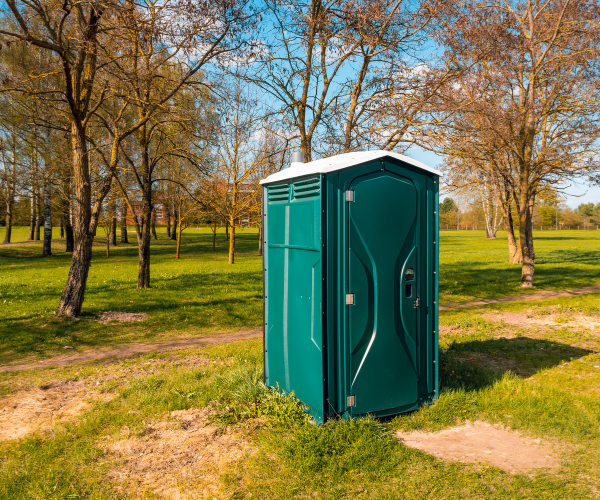
Portable Toilet Rentals in Richmond County, Georgia
Call today for a free quote (762) 716-4705
Portable Toilet
Fast, Easy, & 100% Free To Get Started
Over 30 Years of Excellence
With over three decades of experience, we are Richmond County's trusted choice for portable restroom solutions. Our deep community connections and dedication to quality ensure every customer receives reliable service tailored precisely to local requirements.
Unmatched Quality Service
Our promise to deliver top-notch service is unwavering, ensuring that each portable toilet meets high standards of cleanliness and functionality. Clients can trust in our dedication to quality and customer satisfaction.
Swift and Efficient Delivery
We pride ourselves on quick delivery services, enabling events to run smoothly without delay. Our streamlined processes and reliable logistics ensure that your portable toilet needs are met promptly.
Reliable Portable Toilet Solutions in Richmond County
Call for a Free Quote Today
(762) 716-4705
In Richmond County, our exceptional Portable Toilet services stand as a testament to reliability, dependability, and local ownership. Serving the needs of both urban and rural areas, we cater to construction sites, grand parties, festive gatherings, and picture-perfect weddings. Our courteous service and spotless units ensure you have the best experience possible. Clients appreciate our timely delivery, attention to detail, and ability to provide excellent service fit for any occasion. We are proud to offer our portable toilet solutions throughout the region, ensuring that events of all sizes receive the quality service they deserve.

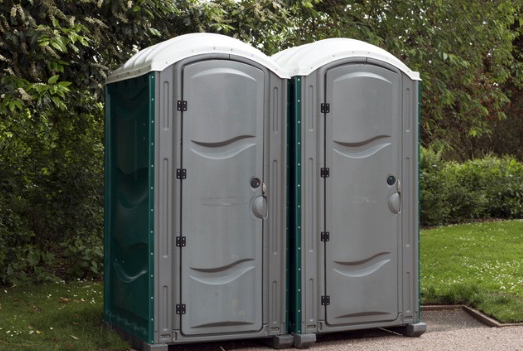
Our standard porta john rental units are durable and reliable for any commercial build site, housing development, public works project, or remodel job.Features include dome lighting, grated floors, and an “In-Use” locking mechanism for privacy and comfort. Regularly maintained, inspected, and cleaned by FusionSite at your location.
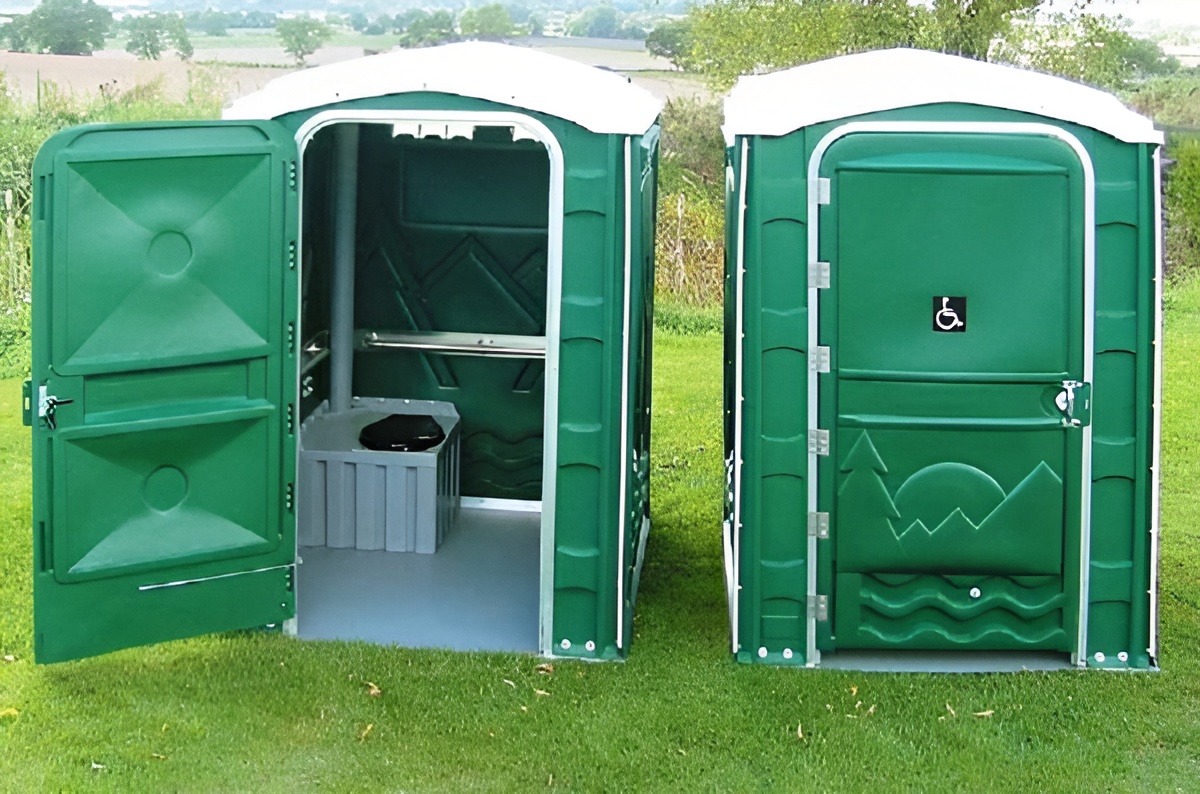
Developed as an alternative to full ADA-compliant restrooms, the Liberty is a spacious, wheelchair-accessible unit that can also be promoted as a family-sized restroom. Includes a patented flat-floor system for easy wheelchair access and maneuverability.Handrails, paper holder, and rotary latch are designed for simple, intuitive end-user operation.
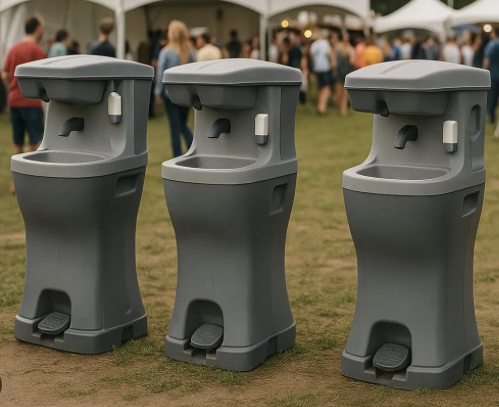
Portable hand washing stations are essential for keeping your work site sanitary and clean. Features hands-free foot pumps, liquid soap, and paper towels.Perfect for job sites without water hookups, these units can handle hundreds of washes between services.
We Proudly Serve
Standard Portable Toilets
Our Standard Portable Toilets in Georgia provide reliable and convenient solutions for all events and job sites.
High Rise Portable Toilets
High Rise Portable Toilets available in Richmond County offer efficient sanitation solutions for elevated construction projects.
Restroom Trailers
Restroom Trailers in Richmond County deliver luxurious, spacious restroom solutions for any size event.
Roll off Dumpsters
Our Richmond County Roll off Dumpsters ensure a clean site with flexible waste solution options.
Septic Tank Cleaning
Septic Tank Cleaning services in Georgia at Portable Services offer comprehensive maintenance for optimal system function.
Grease Trap Cleaning
In Richmond County, Georgia, our Grease Trap Cleaning ensures top performance with efficient waste management.
Fencing & Barricades
Portable Services offers Fencing & Barricades in Georgia for secure, controlled perimeters at any event or site.
Residential Storage
Richmond County Residential Storage solutions cater to secure, accessible storage for various personal belongings.
Richmond County Portable Toilet and Sanitation Solutions
Experience the seamless convenience of acquiring Portable Toilets with our straightforward quote and delivery process. Whether planning an event or outfitting a construction site, obtaining a quote has never been easier. Just head to our website to find user-friendly forms requesting essential details like your name, email, and phone number. With just a few clicks, you can receive a bespoke quote detailing the perfect solutions for your sanitation needs. Our team prides itself on removing the guesswork from delivery. We guarantee prompt, reliable service that aligns perfectly with your timeline, ensuring that your Portable Toilets arrive in pristine condition—ready for use whenever and wherever you need them. Thanks to our professional logistic processes, delivery across Richmond County is carried out with precision and care, setting the gold standard for efficiency in customer service.
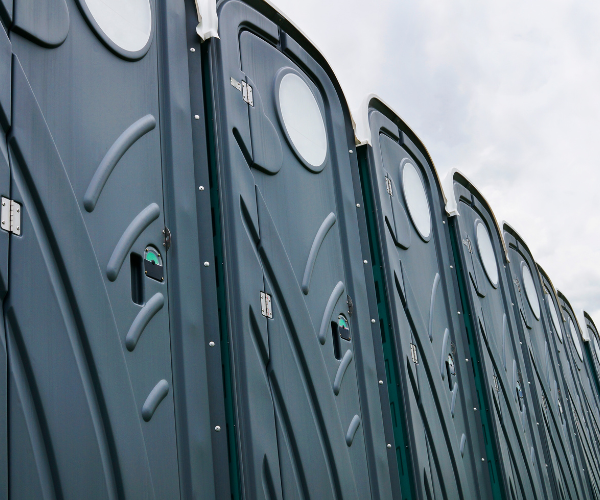
Richmond County is renowned for its stunning landscapes and cherished local events, such as the bustling Augusta Market and the lively Augusta Riverwalk. These popular spots are where our Portable Toilets truly excel. As you explore these iconic attractions and gather in their festive outdoor environments, our services ensure your comfort and convenience. From community fairs to private celebrations, our Portable Toilets seamlessly integrate into the vibrant life of Richmond County. With units perfectly suited for every location, we provide reliability and exceptional service wherever it's needed. We don't just supply portable restrooms; we understand the specific needs of Richmond County. Our commitment to cleanliness, convenience, and customer satisfaction makes us the preferred choice for events both large and small.
Richmond County Trusts Us: With Portable Toilet options suited for every need, our locally-rooted business has become a cornerstone for residents planning outdoor events. We've built strong ties through reliable service and a dedication to enhancing the community experience.Why Choose Us? Beyond our high standards and local knowledge, we stand out with cleanliness, efficiency, and personalized customer care. Our valued reputation throughout Richmond County assures our customers of a smooth, successful event every time.
Fast, Reliable Service: We understand that timing is everything. That's why our delivery service in Richmond County is both speedy and dependable, ensuring that each Portable Toilet rental arrives when promised.Professional and Prompt: As a reflection of our commitment to excellence, we take pride in exceeding expectations with timely setups and meticulous service. Our dedicated experts focus on making portable sanitation effortless and efficient.
Discover Our Services in Richmond County
Renting a Portable Toilet in Richmond County is a straightforward process made easy with user-friendly online forms located prominently on our website. Simply click the 'Get A Quote' buttons commonly found at both the top and bottom of the webpage to start your rental journey. These forms guide you step-by-step through the necessary information request, including your first name, last name, phone number, and email. Once submitted, our dedicated team works swiftly to provide you with a detailed quote tailored to your specific needs.Whether you're planning a major event or require units for a construction project, the process is designed with customer convenience as a top priority. Our experts are always ready to assist with any inquiries, ensuring you receive timely responses and personalized service while navigating your rental options. From festivals to weddings and beyond, we offer diverse sanitation solutions fitted to accommodate any location and event size demands. Clear communication and efficient ordering systems mean no delays, facilitating an easy and stress-free experience for all our valued clients.If you wish to discuss your options in more detail, our customer service team is available to answer any additional questions during regular business hours. Simply reaching out via the contact details provided on our website ensures prompt support, turning your Portable Toilet rental into a simple, hassle-free endeavor that promises satisfaction and peace of mind.
Understanding the urgency of sanitation needs, our company focuses on delivering Portable Toilets quickly to ensure full client satisfaction. Our typical delivery window spans 24 to 48 hours, depending on order complexity and the location of events in Richmond County. In certain cases, we can arrange same-day deliveries, especially for urgent requests made quickly within our standard delivery area.Once you confirm an order, our logistics experts meticulously coordinate the delivery schedule. This organizational attention ensures precise timing in line with your specifications, preventing disruptions to event planning or project timelines. We keep you informed at every delivery phase, providing transparency and peace of mind.Our customer service team is also prepared to accommodate specific delivery instructions, such as site access and setup preferences. By following these details and adhering to industry best practices, we maintain our commitment to delivering portable restrooms both reliably and punctually, essential for our strong customer satisfaction record.While our standard delivery schedules are efficient, we advise clients to communicate their expected date needs early. This allows us to optimize our resources to meet unique event demands throughout Richmond County.
Yes, at Portable Services, we cater to a wide range of events and construction needs. Whether you're organizing a bustling festival, a sports event, a wedding, or even a corporate gathering, our comprehensive service includes luxury restroom trailers, porta potties, and ADA-compliant units to suit diverse accessibility requirements. Our offerings don't stop there; we're also adept at providing essential extras like roll-off dumpsters, fencing, and barricades to meet all your onsite needs.With our diverse inventory, you can customize your event setup seamlessly while ensuring top-tier sanitation solutions that match the expectations of your guests or workforce. Classic options such as portable sinks and hand sanitizer stations add a touch of hygiene that enhances any setting, large or small.We understand the unique requirements that different occasions demand, which is why our efficient consultation process evaluates your specific needs perfectly—aiding you in selecting the most appropriate restroom solutions. Let us deliver high-quality, reliable service, taking the sanitation aspects of your occasion off your checklist and delivering peace of mind in its place.