Portable toilets offer a range of eco-friendly advantages that make them an excellent choice for environmentally conscious individuals and organizations. Firstly, portable toilets significantly reduce water usage compared to traditional facilities, conserving natural resources. A standard portable restroom uses around 90% less water than a conventional toilet, which can equate to substantial savings in areas with water scarcity. Additionally, portable toilets help to protect the environment by containing waste in sealed units, preventing contamination of water sources or local surroundings. These units are designed to effectively manage waste, using chemicals to break down waste materials and control odors, making them both hygienic and eco-friendly.The reduction in direct human waste interaction with the environment lowers the risk of spreading disease and aids in maintaining public health standards. Moreover, portable toilets often use biodegradable chemicals or cleaning agents, further minimizing their environmental impact. The strategic placement of portable restrooms during events or in remote locations also reduces the need for attendees to use nearby natural resources for sanitation, preserving the local ecosystem.In urban settings, portable toilets can alleviate the strain on permanent infrastructure, minimizing urban runoff that would otherwise need treatment. Furthermore, many providers offer services to restock supplies and perform regular cleanings, ensuring that the units remain clean and functional for the duration of their use. Finally, the materials used to construct portable toilets are often recyclable or reused, contributing to reduced waste in building new units. All these factors make portable toilets a sustainable option for temporary sanitation needs, supporting environmental stewardship.


Portable Toilet Rentals in Williston, South Carolina
Call today for a free quote (762) 716-4705
Portable Toilet
Fast, Easy, & 100% Free To Get Started
Over 30 Years of Experience
For more than 30 years, our company has been a cornerstone in Williston, offering top-quality portable toilets. Our strong community connections and steadfast dedication to excellence ensure each client receives superior sanitation solutions.
Exceptional Quality Service
We guarantee exceptional quality service by ensuring each portable toilet is meticulously maintained and sanitized. Our professional team is committed to exceeding customer expectations with reliability and efficiency in every delivery.
Prompt and Quick Delivery
Our team ensures timely delivery of your portable toilet rentals, aligning with your schedule. We prioritize efficiency so your event planning proceeds smoothly, free from unexpected delays.
Convenient Portable Toilet Rentals in Williston
Call for a Free Quote Today
(762) 716-4705
In Williston, South Carolina, our portable toilet company stands out as a dependable choice for all your sanitation needs. Locally owned and operated, we pride ourselves on providing reliable service with high-quality equipment that meets the demands of various events. Whether you're organizing a construction site, a backyard party, a large festival, or an elegant wedding, our portable toilets offer the perfect solution. Our proximity to nearby areas allows us to offer prompt service and quick response times. Our commitment to customer satisfaction and maintaining exceptional hygiene standards set us apart as a trusted name in the community. Choose us for your next event and experience hassle-free, superior service.

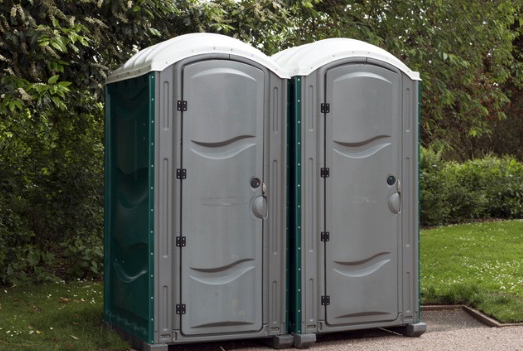
Our standard porta john rental units are durable and reliable for any commercial build site, housing development, public works project, or remodel job.Features include dome lighting, grated floors, and an “In-Use” locking mechanism for privacy and comfort. Regularly maintained, inspected, and cleaned by FusionSite at your location.
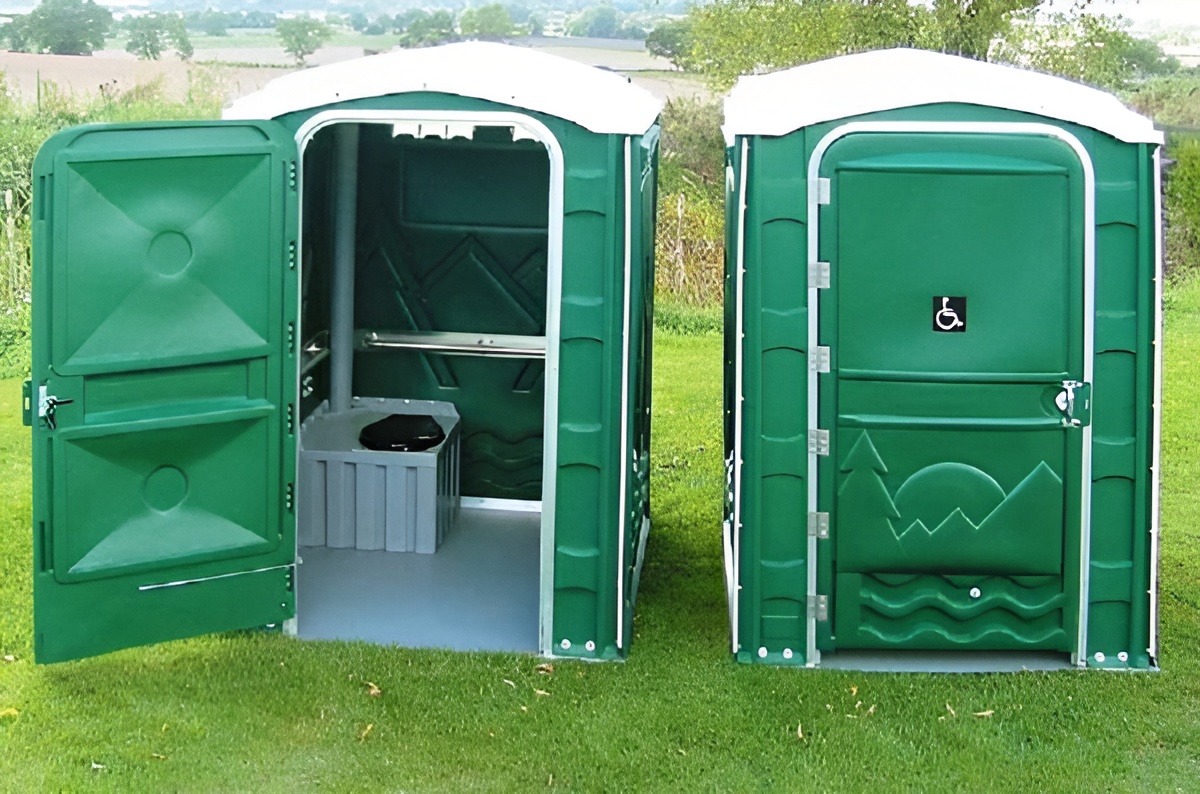
Developed as an alternative to full ADA-compliant restrooms, the Liberty is a spacious, wheelchair-accessible unit that can also be promoted as a family-sized restroom. Includes a patented flat-floor system for easy wheelchair access and maneuverability.Handrails, paper holder, and rotary latch are designed for simple, intuitive end-user operation.
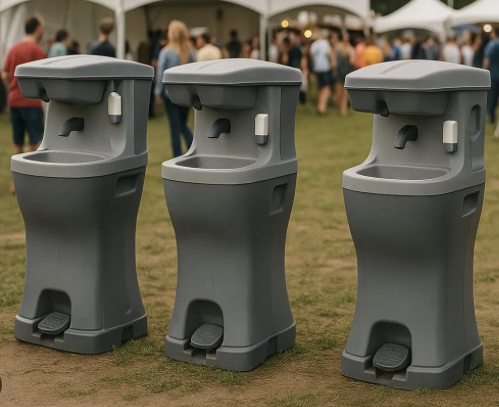
Portable hand washing stations are essential for keeping your work site sanitary and clean. Features hands-free foot pumps, liquid soap, and paper towels.Perfect for job sites without water hookups, these units can handle hundreds of washes between services.
We Proudly Serve
Standard Portable Toilets
Our Standard Portable Toilets in South Carolina offer reliable and efficient sanitation solutions for any event.
High Rise Portable Toilets
High Rise Portable Toilets serve Williston by providing elevated sanitation solutions for construction sites.
Restroom Trailers
Our Restroom Trailers in Williston deliver premium comfort and cleanliness for any event.
Roll off Dumpsters
Roll-off Dumpsters at Portable Services in Williston provide efficient waste management solutions.
Septic Tank Cleaning
Portable Services offers top-notch Septic Tank Cleaning throughout South Carolina, ensuring clean and efficient systems.
Grease Trap Cleaning
Our Grease Trap Cleaning in Williston, South Carolina, keeps your restaurant running smoothly and efficiently.
Fencing & Barricades
Our Fencing & Barricades service ensures secure and organized event spaces across South Carolina.
Residential Storage
Residential Storage in Williston provides secure and flexible storage solutions for all your needs.
Williston Portable Toilets and More
Getting a quote and prompt delivery for portable toilets is straightforward with our dedicated service. We understand the importance of time and efficiency when planning events or handling construction projects. Our easy-to-navigate website features a simple form at both the top and bottom of each page, ensuring you never miss the opportunity to reach out. By clicking the 'Get A Quote' button located throughout the site, potential clients can fill in a quick form requiring only basic details—first name, last name, phone number, and email. This user-friendly interface allows for speedy interactions without unnecessary hassle. Once submitted, our attentive team immediately starts processing your request, connecting with you swiftly to discuss needs and preferences.Our seamless processes are designed to enhance user experience while providing exceptional service from the onset. Furthermore, our delivery service is set to accommodate your schedule, further ensuring our role in executing a well-organized event or smoothly running project. Fully understanding your expectations paves the way for equally reliable service, guaranteeing satisfaction from start to finish. With the integral goal of meeting stringent timelines, every effort upholds the professionalism and diligence our company is known for.
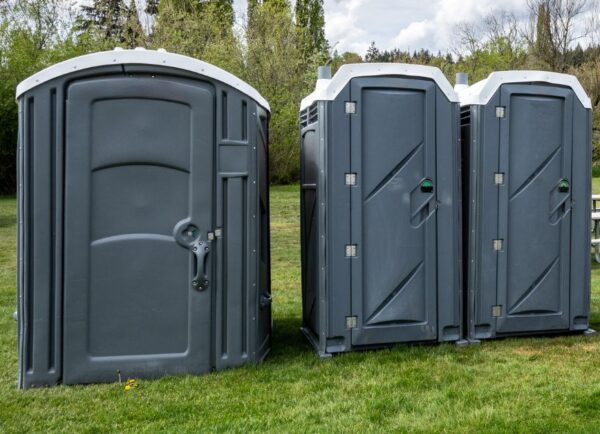
Embrace the local charm of Williston with our top-of-the-line portable toilets. Whether you're attending the Williston Peanut Festival or enjoying a day at the Blue Hole Recreation, our services enhance these events by providing clean and reliable sanitation solutions. For fun-filled festivals or family reunions in nature, our portable toilets ensure convenience and comfort for all your guests. Our services are tailored to fit the unique characteristics of Williston, ensuring memorable events without sanitation worries. With our portable toilets, you benefit from a service that prioritizes reliability and cleanliness, adding a level of luxury and ease to any occasion. Our commitment to excellence and community-focused approach makes us a top choice in the area. Let us take care of your sanitation needs while you enjoy what makes Williston special. Whether it's a wedding against a backdrop of natural beauty or a sporting event close to home, our portable toilets provide peace of mind and a superior guest experience.
When selecting a portable toilet provider in Williston, our company distinguishes itself through exceptional service and reliability. We have forged our reputation by being responsive to community needs, tailoring solutions to suit events of any size. Our unwavering commitment to cleanliness and convenience, combined with a friendly approach, ensures service that exceeds expectations.By choosing us, you benefit from a local business dedicated to enhancing your event with premier sanitation facilities. Our units are meticulously maintained, affordably priced, and supported by a team eager to assist with every detail. This makes us not just a choice, but the best choice for all your portable toilet needs.
Our company excels in providing fast and reliable portable toilet services. We understand the importance of timely delivery and have structured our operations to ensure punctuality for every client. Whether for a weekend event or long-term construction project, our efficient processes guarantee that your portable toilets arrive when you need them.Backed by a team ready to address every concern, you can count on seamless service through and through. We prioritize clear communication and maintain open channels to ensure clarity and satisfaction from the initial order through to final pick-up. Experience a service that values your schedule as much as you do.
Williston Portable Toilet Information
Renting a portable toilet in Williston has never been easier with our straightforward process. Start by navigating to our website to explore our extensive range of portable toilet options suited for different events and construction needs. To initiate a rental, simply fill out the form located at the top and bottom of the page; the process is quick and only requires basic details such as your first name, last name, phone number, and email. These fields ensure that our team can promptly get in touch with you for further details or clarification.Additionally, our website features 'Get A Quote' buttons situated throughout the pages, providing a handy option for clients at any point of browsing. This feature underscores our commitment to accessibility, ensuring clients can easily request price information or seek advice on the best products to suit their situation. Once submitted, our dedicated team will reach out swiftly to discuss specifics like delivery dates, rental durations, and any additional services you might require.We pride ourselves on providing exemplary customer service, prioritizing your needs and customizing our offerings to ensure complete satisfaction. From single units for small parties to expansive arrangements tailored for large-scale construction sites, we've got you covered. It's not just about convenience; it's about offering reliable sanitation solutions that make your planning and execution as smooth as possible. Engage us today to experience professionalism that is both responsive and deeply conscious of your event's sustainable sanitation needs.
The delivery timeframe for portable toilet orders is crucial in ensuring your event or project runs smoothly. Typically, once an order is placed and all details are confirmed, our standard delivery time ranges from one to three business days. This timeline accounts for our meticulous planning and logistics strategies designed to ensure punctual deliveries.For urgent requests or last-minute orders, we offer expedited services to accommodate unexpected needs, demonstrating our commitment to flexibility and customer satisfaction. Our ability to adjust and meet specific delivery timelines is backed by a reliable fleet and an efficient team prioritizing your requirements. Our comprehensive delivery process includes the careful handling and installation of all units, ensuring they are positioned according to your specifications.Furthermore, open communication is maintained with clients throughout the delivery phase. Our team will provide updates on the progress and estimated arrival times to ensure peace of mind. We understand that time is valuable, which is why we strive to adhere to strict punctuality protocols across all aspects of our service.After delivery, clients can also rest assured knowing that our follow-up support and service remains robust. In case of any adjustments or additional requests post-delivery, our customer service team is ready to assist promptly. With us, expect a seamless delivery experience that integrates smoothly with your event planning or operational timeline.
Yes, we service all types of events and construction setups, catering to a wide range of sanitation needs. Whether it's a vibrant festival, a packed sporting event, or an intimate wedding, we offer tailored solutions designed to fit each occasion's unique requirements. Our offerings extend to corporate events, family reunions, and any other type of special event, ensuring comprehensive coverage.We take pride in our diverse range of products, including luxury restroom trailers for upscale gatherings, standard porta potties for large crowds, and roll-off dumpsters for effective waste management. Additionally, we provide essential site services such as fencing and barricades, holding tanks, ADA units, portable sinks, and hand sanitizer stations. These offerings are meticulously maintained and delivered with a focus on hygiene and convenience.Our ability to adapt our services to the specific nuances of construction or event environments ensures that sanitation never hinders your operations or celebrations. Our professional team leverages extensive experience and resources to uphold the highest standards of service, no matter the scale or location. Rest assured knowing that from setup to maintenance, your needs are thoroughly addressed, allowing you to focus entirely on the success of your event or project.